Gluco6 vs Sugar Defender: Which Formula Better Fits Your Priorities?
Gluco6 and Sugar Defender are both marketed for blood-sugar and metabolic support, but they use materially different formula strategies. This comparison separates current merchant facts from independent ingredient evidence so you can compare what is actually being sold, what the ingredients can and cannot establish, and which commercial terms matter before ordering.
- Current product facts separated from merchant claims.
- Ingredient evidence kept distinct from finished-product evidence.
- Price, guarantee and shipping treated as time-sensitive.
- No fabricated ratings, scarcity or universal winner.
Compare first. Buy only after the formula and terms fit your priorities.
Use the live Gluco6 merchant destination to verify the current package, shipping and refund terms.




Gluco6 and Sugar Defender: normalized comparison
| Factor | Gluco6 | Sugar Defender |
|---|---|---|
| Format | Capsule-based formula in the current Gluco6 merchant material | Liquid drop formula in current Sugar Defender merchant material |
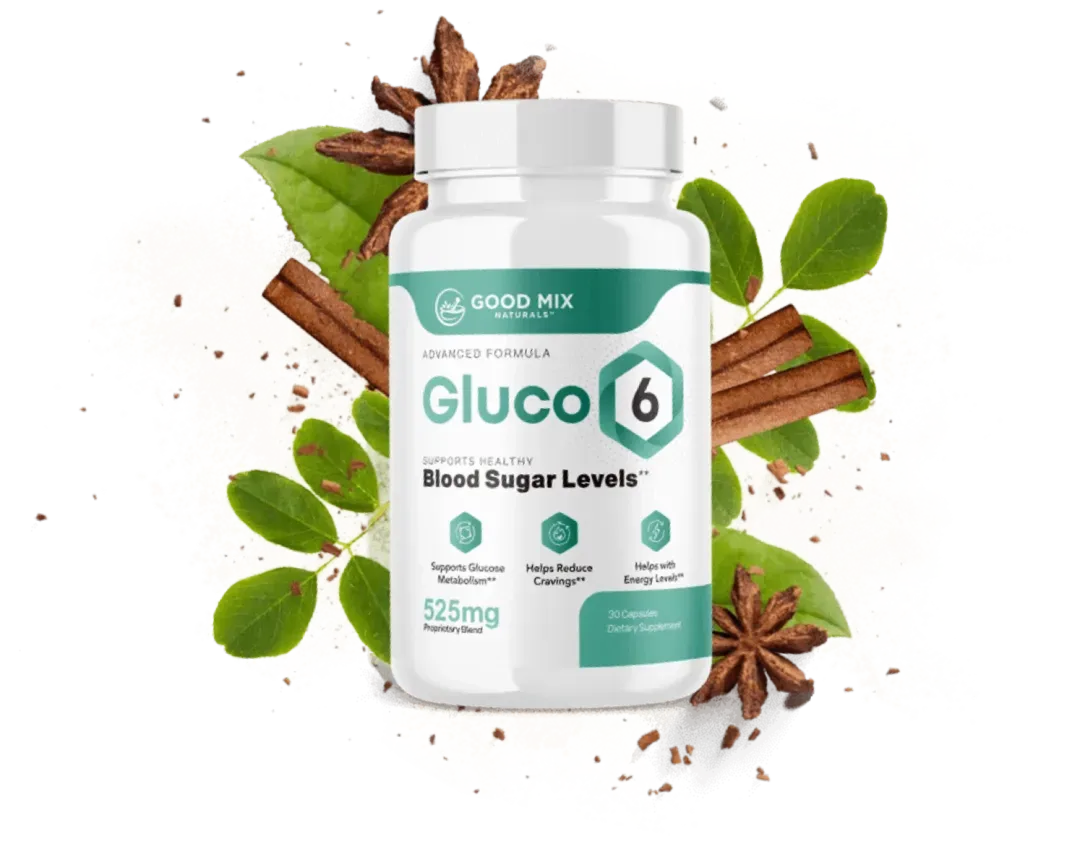
| Merchant-listed formula direction | Sukre, TeaCrine, Gymnema, chromium, cinnamon and green tea | Eight plant-based ingredients including Gymnema, ginseng, chromium, guarana, African mango, maca root, coleus and eleuthero |
| Common overlap | Gymnema and chromium | Gymnema and chromium |
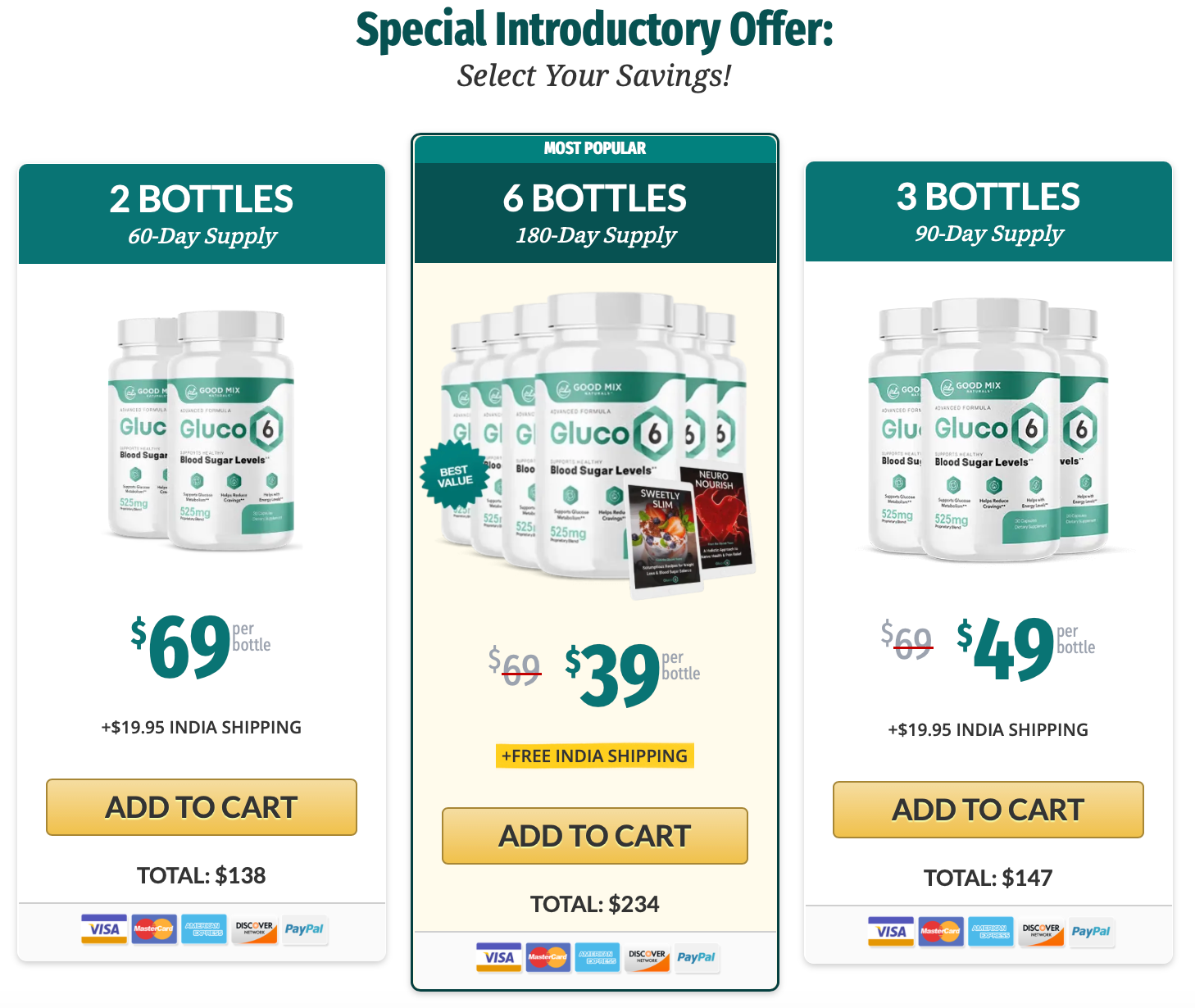
| Current entry price shown | Gluco6 offer artwork shows package pricing that varies by bundle and geography | Sugar Defender official sales pages currently show roughly $69 for one bottle, $59 for three and $49 for six, with terms varying by checkout |
| Guarantee | Current Gluco6 merchant materials should be rechecked at checkout immediately before purchase | Sugar Defender currently states a 60-day money-back guarantee |
| Best comparison question | Do you prefer Gluco6’s six-component capsule strategy? | Do you prefer Sugar Defender’s liquid, broader eight-ingredient strategy? |
The core difference is formula architecture
Gluco6 and Sugar Defender should not be compared by marketing adjectives. Gluco6 currently uses a six-component capsule formula built around Sukre, TeaCrine, Gymnema, chromium, cinnamon and green tea. Sugar Defender currently presents an eight-ingredient liquid formula that overlaps with Gluco6 on Gymnema and chromium but otherwise uses a different set of botanicals, including ginseng, guarana, African mango, maca root, coleus and eleuthero. That makes the central choice one of formula design, delivery format and evidence transparency rather than a simple “which is stronger” question.
Ingredient overlap does not make the products equivalent
Gymnema and chromium appear in both current formulas, but the presence of the same ingredient name does not establish equivalent dosing, formulation, absorption or product-level effect. Independent evidence should be interpreted ingredient by ingredient, with attention to dose, form, population and endpoint. A fair comparison therefore asks whether the product discloses enough information to connect the actual formula with the research cited, and whether the user prefers a simpler or broader ingredient strategy.
Capsule versus liquid is a practical decision
Sugar Defender is marketed as a liquid drop formula, while Gluco6 is presented as a capsule supplement. Neither delivery format is automatically superior. Some buyers may value the convenience of capsules and a fixed daily routine, while others may prefer liquid administration. The relevant questions are serving consistency, label transparency, storage, tolerance and whether the product’s instructions fit the user’s routine.
Compare the research, then verify the current Gluco6 offer.
Current price, shipping and refund terms can change. Use the live merchant destination for today’s details.
Price should be normalized by supply length and terms
Headline per-bottle pricing can hide meaningful differences. Compare the number of days supplied, shipping charges, bundle totals, bonuses, refund window and whether checkout terms differ by country. Sugar Defender currently advertises multi-bottle discounts and free U.S. shipping on larger bundles. Gluco6 likewise uses bundle-based pricing, and the approved Gluco6 offer image shows geographic shipping differences. Since both offers can change, current checkout terms should control the final purchase decision.
Evidence should be evaluated at two levels
The first level is finished-product evidence: has the exact marketed formula been tested in controlled human studies? The second is ingredient evidence: what do independent human studies say about the individual components? Evidence for an ingredient does not prove the combined product has the same effect. This distinction is especially important in blood-sugar-related supplement marketing, where manufacturer pages often make broader claims than independent research can support.
Safety and medication context can outweigh commercial differences
Anyone taking glucose-lowering medication, managing a diagnosed metabolic condition, preparing for surgery, or combining several supplements should consider interaction and monitoring issues before choosing either product. A broader ingredient list can increase the number of interaction questions that need to be checked. This comparison is therefore not a substitute for individualized clinical advice.
Who may prefer Gluco6
Gluco6 may fit a buyer who prefers a capsule format, wants its specific six-component formula, and is comfortable evaluating the evidence ingredient by ingredient. It may also appeal to someone who values its particular combination of Gymnema, chromium, cinnamon, green tea, TeaCrine and Sukre. Those are product-fit considerations, not evidence that it will produce a guaranteed physiological outcome.
Who may prefer Sugar Defender
Sugar Defender may appeal to a buyer who prefers a liquid format and a broader plant-based ingredient blend. Its current merchant materials emphasize a daily drop routine and a 60-day guarantee. As with Gluco6, the commercial positioning should be separated from independent evidence, and current formula and checkout details should be verified before purchase.
How this comparison was built
This comparison uses a normalized decision framework rather than merchant rankings. Current seller material is used for product identity, formula, package and policy facts. Independent institutional and peer-reviewed evidence is used to interpret health-related claims. When the seller makes a stronger claim than the independent evidence supports, the claim remains attributed to the seller rather than converted into an editorial conclusion.
What to verify immediately before ordering
Recheck the current Supplement Facts or ingredient label, serving instructions, total package price, shipping charge for your country, refund window, refund procedure and the identity of the actual merchant checkout. Time-sensitive commercial facts can change without notice, so an older comparison table should never substitute for the current checkout page.
Why a “winner” is not the right evidence model
There is no responsible universal winner when individual priorities, medication use, tolerance, preferred format and evidence expectations differ. A useful comparison should instead identify where each formula differs, what evidence is product-level versus ingredient-level, and which uncertainties remain unresolved. The final decision belongs to the buyer, with clinical guidance where relevant.
Use the same standard before choosing either product
Start with the current label rather than the headline promise. Confirm the exact ingredient list, serving directions, disclosed amounts, warnings and the identity of the seller handling payment. Then separate the questions that can be answered from the label from the questions that require independent evidence. Product identity, serving size, package price and refund terms are merchant facts. Questions about efficacy, safety and expected outcomes require stronger independent evidence and may remain uncertain even when individual ingredients have been studied.
Next, compare the formula with your own priorities. A buyer who values fewer ingredients may prefer a narrower formula, while another may prefer a broader multi-ingredient approach. Neither preference establishes greater clinical effectiveness. Consider whether the formula contains ingredients you already use elsewhere, whether stimulant-like components matter to you, whether you take medicines that could interact with glucose-related ingredients, and whether the product provides enough label detail to make those questions answerable.
Finally, normalize the commercial terms. Compare the total amount charged today, number of bottles, approximate supply duration, shipping charge to your location, refund deadline, return procedure and any conditions attached to bonuses. Do not treat a crossed-out reference price, urgency statement or merchant testimonial as independent evidence of value. A strong purchase decision is one where the current formula, evidence limits, safety context and real checkout terms all remain acceptable after the marketing language is removed.
Related Gluco6 decision pages
Finished comparing? Verify the current Gluco6 offer before deciding.
Confirm today’s price, package, shipping and refund terms directly at the merchant destination.
Source basis for this comparison
- Current Gluco6 merchant archive supplied for this project.
- Sugar Defender official sales pages accessed September 2026.
- NIH Office of Dietary Supplements and NCCIH ingredient evidence used for claim boundaries.
- Supplied weight-management systematic review and narrative review for broader metabolic evidence context.