






“Best” depends on what matters to the shopper
Popular “best” searches shoppers use
Common shortlist searches include “best product for,” “best under [budget],” “best value,” “best premium,” “best for beginners,” “best alternative,” and “top-rated.” A useful guide should define the criteria before presenting a winner.
How to use a best-of shortlist
Use a shortlist as a starting point, then check the category guide, review or comparison that matches your exact need. A product can be excellent for one type of shopper and still be the wrong choice for another.
Best value
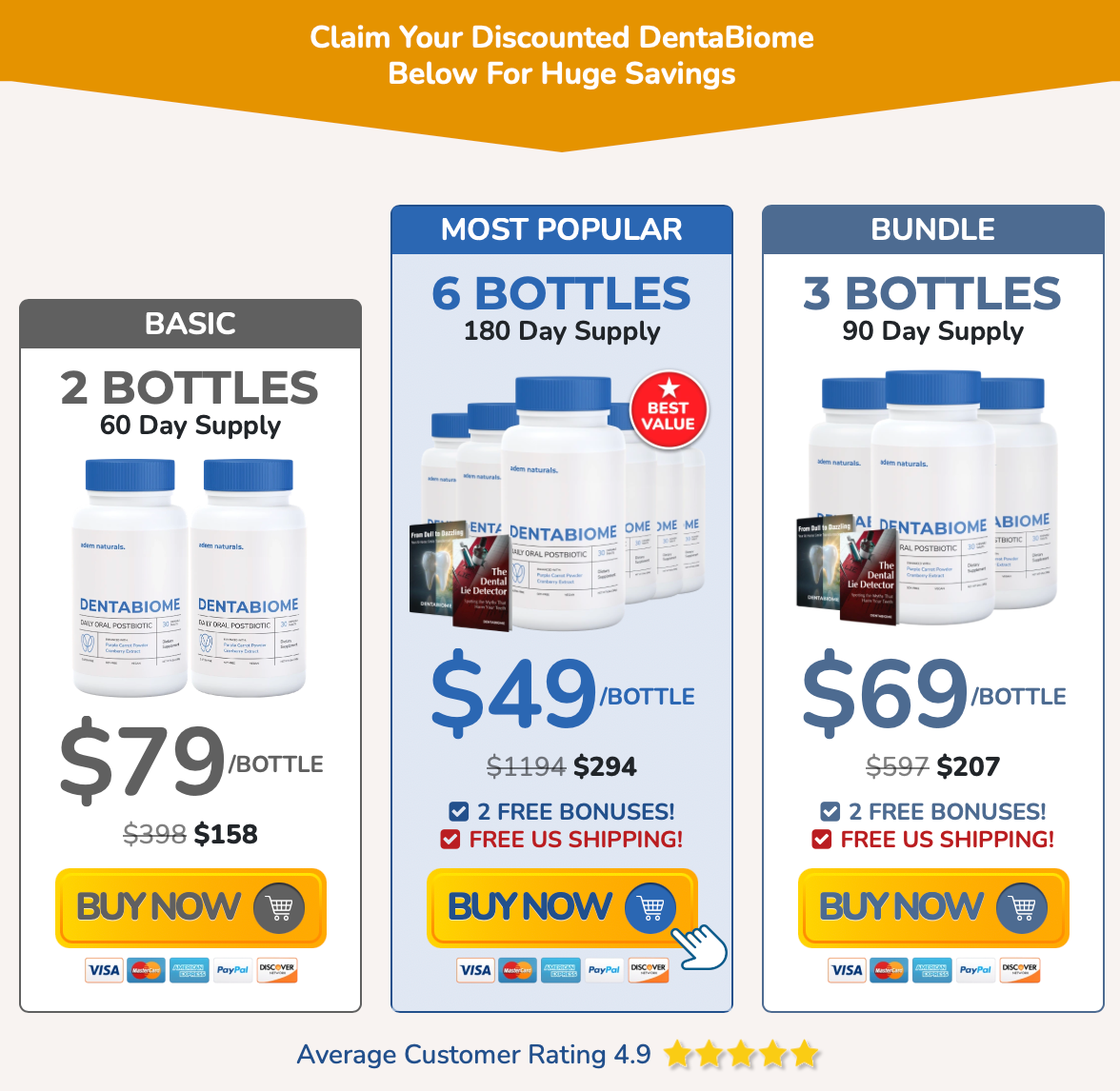
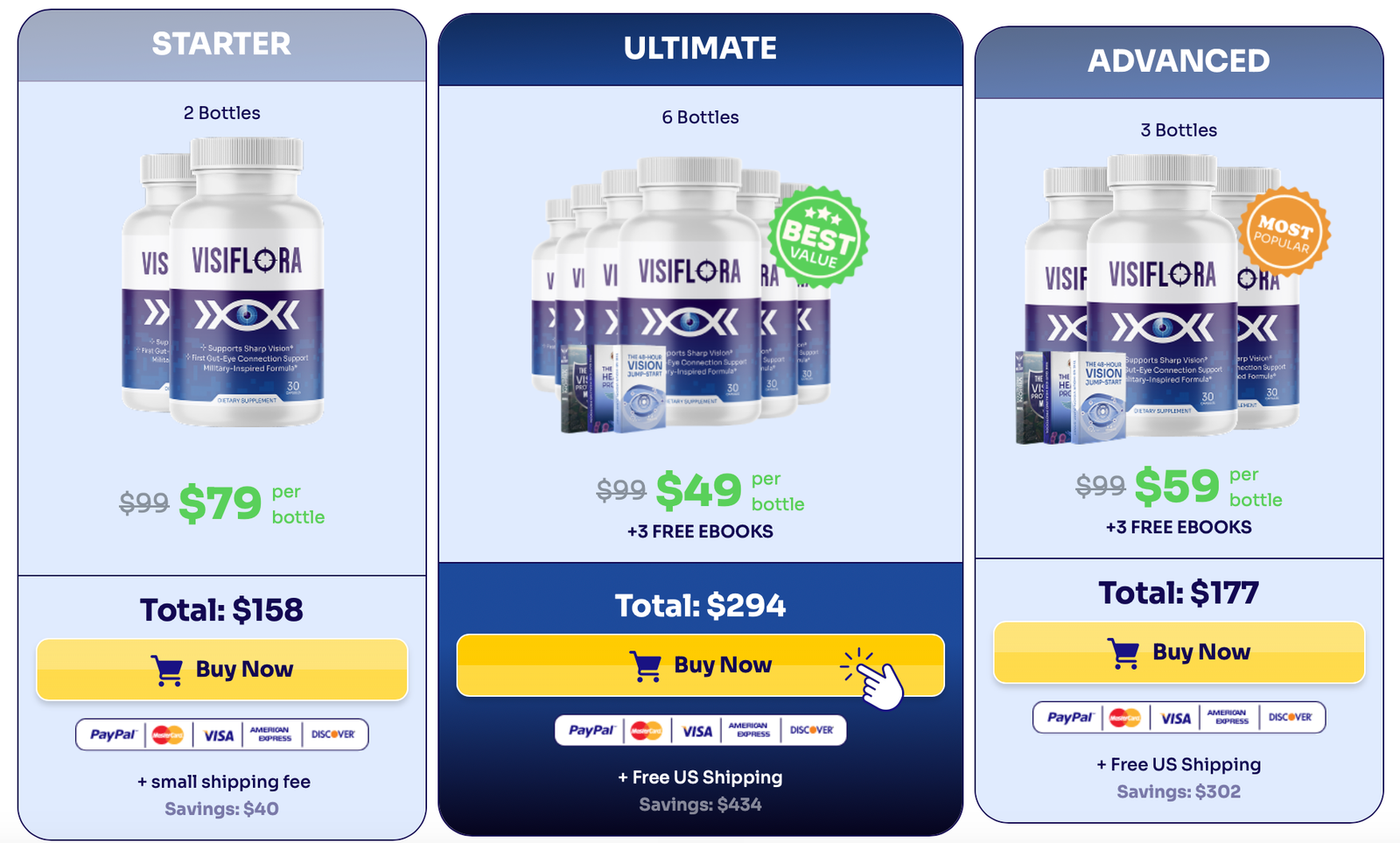
“Best value” should balance price with what the shopper receives. A lower-priced product can be poor value if it performs the task badly, requires frequent replacement or hides important recurring costs. A higher-priced product can be good value if the additional features or durability matter to the user.
Look for cost per use, subscription terms, included accessories, warranty, maintenance and the features that affect the actual outcome you care about.
Best for beginners
Beginner-friendly products usually reduce complexity. That can mean easier setup, clearer instructions, fewer unnecessary features, more accessible pricing or stronger support. The most advanced product is not automatically the best starting point.
Language learners may benefit from structured progression. Home shoppers may value simple installation. Fitness shoppers may need products that fit an existing routine rather than demanding major changes.
Best premium option
Premium picks should justify the higher price through meaningful differences. Depending on the category, that might include materials, warranty, transparency, evidence, service quality, customization or long-term durability. Brand prestige alone is not enough.
Before paying more, identify the specific upgrade you are buying and whether you will actually use it.
Best under a budget
Budget searches are common because shoppers often know their spending limit before they know the brand. A useful budget guide should identify the minimum features or quality level needed to avoid false economy, then compare products that stay within the range.
For subscription categories, the budget should include the likely recurring cost rather than only the first-month price.
Best alternative
An alternative can be better because it is cheaper, simpler, easier to obtain, differently formulated, more private, more compatible or better suited to a specific preference. The reason for switching should determine the comparison criteria.
This is why “best alternative” should not mean “most similar product.” It should mean the option that best solves the reason the shopper is looking elsewhere.
Best for health-related needs
Health, dental, weight-loss and some fitness or beauty categories require stronger evidence and more cautious language. A “best” label should not imply guaranteed treatment or universal suitability. Product claims, ingredient evidence and finished-product evidence should remain clearly distinguished.
When individual health history, medications or symptoms matter, a general best-of guide cannot determine the right choice for one person.
How to use a shortlist before checkout
Once a shortlist gives you two or three options, move to a direct comparison. Check the current product details, seller terms, price, return policy and any fast-changing information. If one product has an important limitation for your use case, remove it even if it appears highly ranked for another audience.
The best shortlist is the one that helps you eliminate poor fits and understand why the remaining choices deserve consideration.
Do not confuse popularity with best fit
High sales, large review counts and brand recognition can help identify products worth examining, but they do not prove that one product is the best fit for every shopper. Popularity can reflect distribution, advertising, age of the product or price as much as product quality.
Use popularity as a discovery signal, then return to the criteria that matter for your own decision. A lesser-known option can be the better choice if it meets your requirements more directly.
How to turn a top-picks list into a personal shortlist
Take the top options and remove anything that fails your budget, availability or must-have requirements. Then rank the remaining choices using only the criteria that matter to you. A shopper who prioritizes convenience may reach a different answer from someone who prioritizes evidence, durability, privacy or the lowest long-term cost.
This is the most useful way to read any “best” list: treat it as a curated starting set, not as a command to buy the product in the first position.
Final pre-purchase check
Before paying, verify the exact item, current price, seller, shipping, return policy and any recurring charge. Recheck the one feature or claim that matters most to your decision. If the product still fits after those checks, the purchase is based on your priorities rather than on urgency or a single headline.
If something important remains unclear, keep comparing. The cost of waiting for better information is often lower than the cost of buying the wrong product.
When a deal should not change the choice
A discount can improve the value of a product that already fits your needs, but it should not turn a poor fit into a good purchase. If a product misses an essential feature, uses terms you do not accept, or carries a limitation that matters to you, the lower price does not remove that problem.
Use promotions as the final comparison layer after the shortlist is built. This keeps the buying decision focused on fit first and price second.