

Delivery format changes the user experience
Lozenges and chewables both keep a product in the mouth longer than an ordinary swallowed capsule, but they differ in texture, use pattern and how naturally they fit a routine.
For oral-health products, local contact can be relevant to product design, although longer oral exposure by itself does not prove better clinical outcomes. The important buying question is whether the chosen format supports consistent use and whether the actual formulation has evidence compatible with the intended goal.
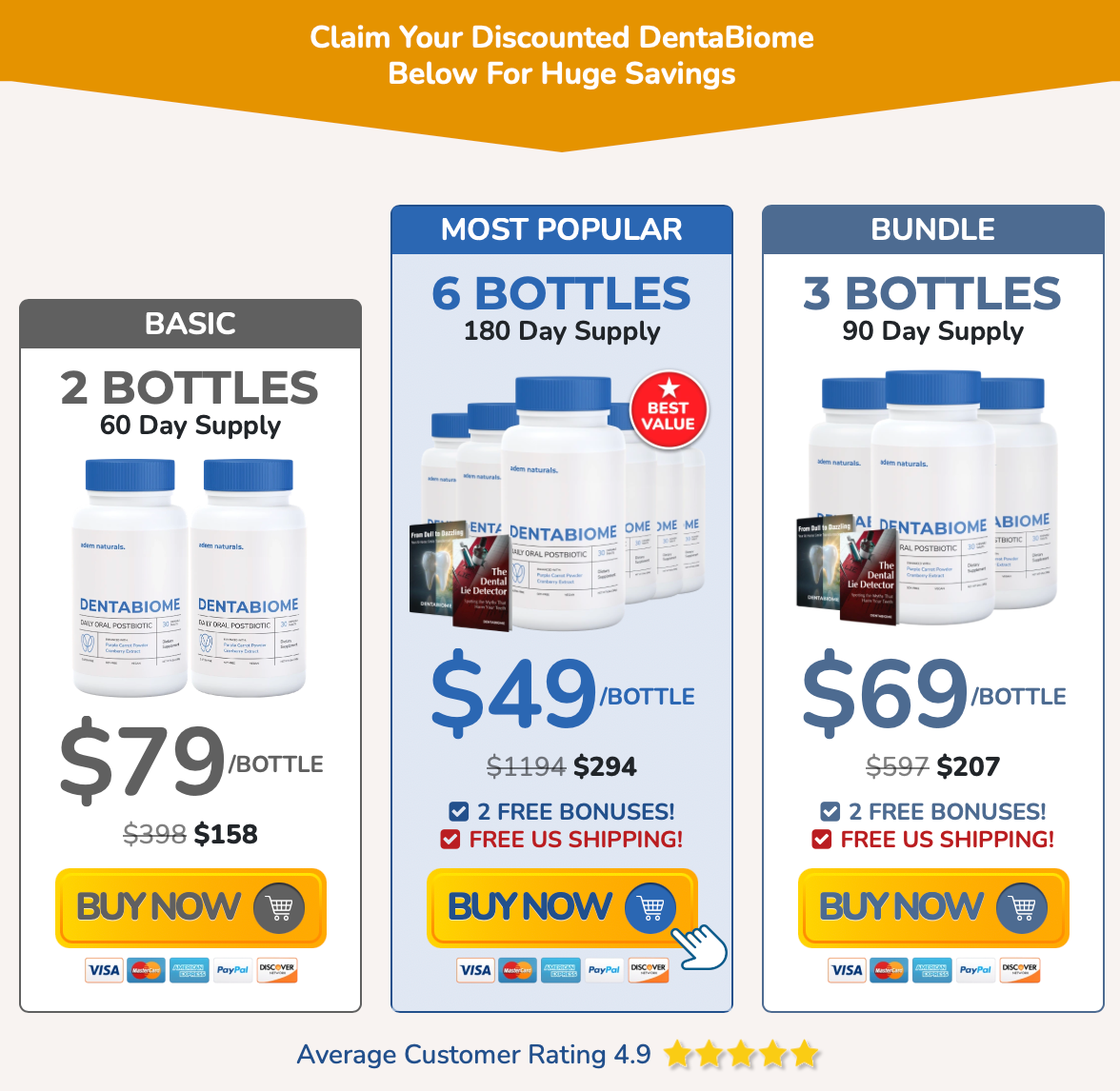
DentaBiome is positioned as a chewable oral-health product, so its convenience and mouth-contact format are part of the buying decision rather than proof of efficacy.
When a lozenge format may appeal
Lozenges may suit users who prefer slow dissolution and a product that stays in the mouth without chewing.
Some oral probiotic research has used lozenge delivery, which can make the format feel familiar in this category. But results from a lozenge study apply to the specific strain, dose and product tested. They should not be generalized to every lozenge or to a chewable postbiotic.
Users should also consider sweeteners, flavoring, dietary restrictions and whether the product is practical to use at the recommended frequency.
When a chewable may be easier
Chewables may be more convenient for users who prefer a quick, routine-friendly format rather than waiting for a lozenge to dissolve.
This can improve adherence if the user genuinely likes the product and remembers to take it. Convenience is a legitimate benefit, but it should be separated from stronger physiological claims. A pleasant delivery system does not automatically mean better plaque, gum or breath outcomes.
For DentaBiome, the chewable format should therefore be presented as a practical feature within an oral-health support routine.