
Published Products
Explore current product reviews and research hubs.

What Are the Best Alternatives to ProDentim?
The best alternative depends on the problem you are trying to solve. For someone specifically wanting an oral probiotic, another product with clearly identified strains and direct human evidence may be the closest substitute. For someone with active gum disease, tooth pain or infection, professional dental care is a more appropriate alternative than switching between supplements.
| Buyer goal | Most relevant alternative category | Why |
|---|---|---|
| Compare oral-probiotic formulas | Other oral-probiotic lozenges or tablets | Closest product-class comparison. |
| Prefer strain-specific research | Products disclosing researched strains | Improves evidence traceability. |
| Manage active periodontal disease | Professional dental treatment | Probiotics are generally studied as adjuncts, not replacements. |
| Improve routine plaque control | Established oral-hygiene products | Directly targets routine hygiene behavior. |
| Address persistent symptoms | Dentist evaluation | Symptoms may require diagnosis rather than product comparison. |
Alternative 1: Other Oral-Probiotic Lozenges and Tablets
The closest commercial alternatives to ProDentim are oral-probiotic products designed to dissolve or remain in the mouth rather than conventional gut-probiotic capsules. When comparing these, strain identity and delivery format matter more than broad “probiotic” branding.
Some oral-probiotic products use strains that have been studied in periodontal settings, including selected Lactobacillus reuteri preparations. The literature does not establish that every oral-probiotic product is equivalent, but it does provide a stronger basis for comparing exact strains, dose, contact time and study context.
Alternative 2: Conventional Oral-Hygiene Products
For many users, an oral-probiotic supplement is optional rather than foundational. Toothbrushing with an appropriate toothpaste, interdental cleaning, professionally recommended antimicrobial or fluoride products, and routine dental care remain more established parts of oral-health management than dietary supplements.
If the user's goal is plaque control, cavity prevention, treatment of gingivitis or management of active periodontal disease, the appropriate comparison is not simply ProDentim versus another supplement. It is ProDentim versus evidence-based oral-care practices that directly address the user's problem.
Alternative 3: Professional Dental Care
Professional dental care is the appropriate alternative when symptoms indicate possible disease rather than ordinary supplement interest. Persistent bleeding, pain, swelling, loose teeth, pus or other concerning changes require diagnosis and treatment decisions that a supplement cannot provide.
Recent systematic reviews of probiotics in periodontal disease generally examine probiotics as adjuncts to scaling and root planing or other professional care. An umbrella review published in 2024 found potential benefits in bleeding on probing, pocket depth and attachment outcomes, but also emphasized that probiotics should not replace conventional periodontal treatment and regular dental hygiene.
How ProDentim Compares With Alternative Approaches
| Option | Main strength | Main limitation | Best fit |
|---|---|---|---|
| ProDentim | Simple chewable oral-probiotic format with multi-ingredient positioning. | Finished-product clinical evidence should not be assumed from ingredient studies. | Buyer who specifically wants a commercial oral-probiotic supplement. |
| Other oral-probiotic lozenges/tablets | May offer clearly identified strains with published research context. | Evidence still varies by strain and product. | Buyer prioritizing strain-specific comparison. |
| General probiotic capsules | Widely available and often standardized by serving. | Not specifically designed for oral delivery or local contact. | Buyer seeking general probiotic supplementation rather than oral-focused use. |
| Conventional oral-care products | Established role in daily oral hygiene. | Different purpose from probiotic supplementation. | Routine plaque, hygiene and prevention-oriented care. |
| Professional dental treatment | Diagnosis and treatment of active disease. | Requires professional visit and may cost more upfront. | Symptoms, diagnosed periodontal disease, infection or persistent problems. |

What Does the Research Say About Probiotics as an Adjunct?
Current evidence supports probiotics as a potentially useful adjunct in some periodontal settings, but the literature is not uniform. A 2025 systematic review and meta-analysis reported improvements in some periodontitis outcomes such as plaque index and bleeding on probing, while probing-pocket-depth results were not consistently significant across all analyses.
Another umbrella review covering 22 systematic reviews and meta-analyses found potential benefits for bleeding on probing, probing depth and clinical attachment level, while noting mixed evidence for gingival inflammation and dental plaque. This reinforces a practical comparison rule: probiotic products may be worth considering as optional adjuncts, but should not displace established oral-hygiene and professional-care pathways.
What Should You Compare Between Oral-Probiotic Products?
Strain identity
Species names alone are not enough. Exact strain identifiers help determine whether published evidence applies.
Delivery format
Lozenges, chewables, capsules, powders and beverages differ in oral contact and dosing behavior.
Viable count and serving
Compare organisms per serving, directions and whether viability is guaranteed through shelf life.
Evidence quality
Finished-product randomized trials are more directly useful than generic ingredient references.
Price per serving
Compare total cost rather than only headline bottle price.
Refund and shipping terms
Commercial value depends partly on the current seller terms and where the buyer lives.
Why the Cheapest Alternative Is Not Always the Best Value
Price matters, but oral-probiotic products differ in serving size, strain disclosure, formulation, package quantity, shipping and refund rights. A lower bottle price can be poor value if the serving count is lower or the formulation is less transparent.
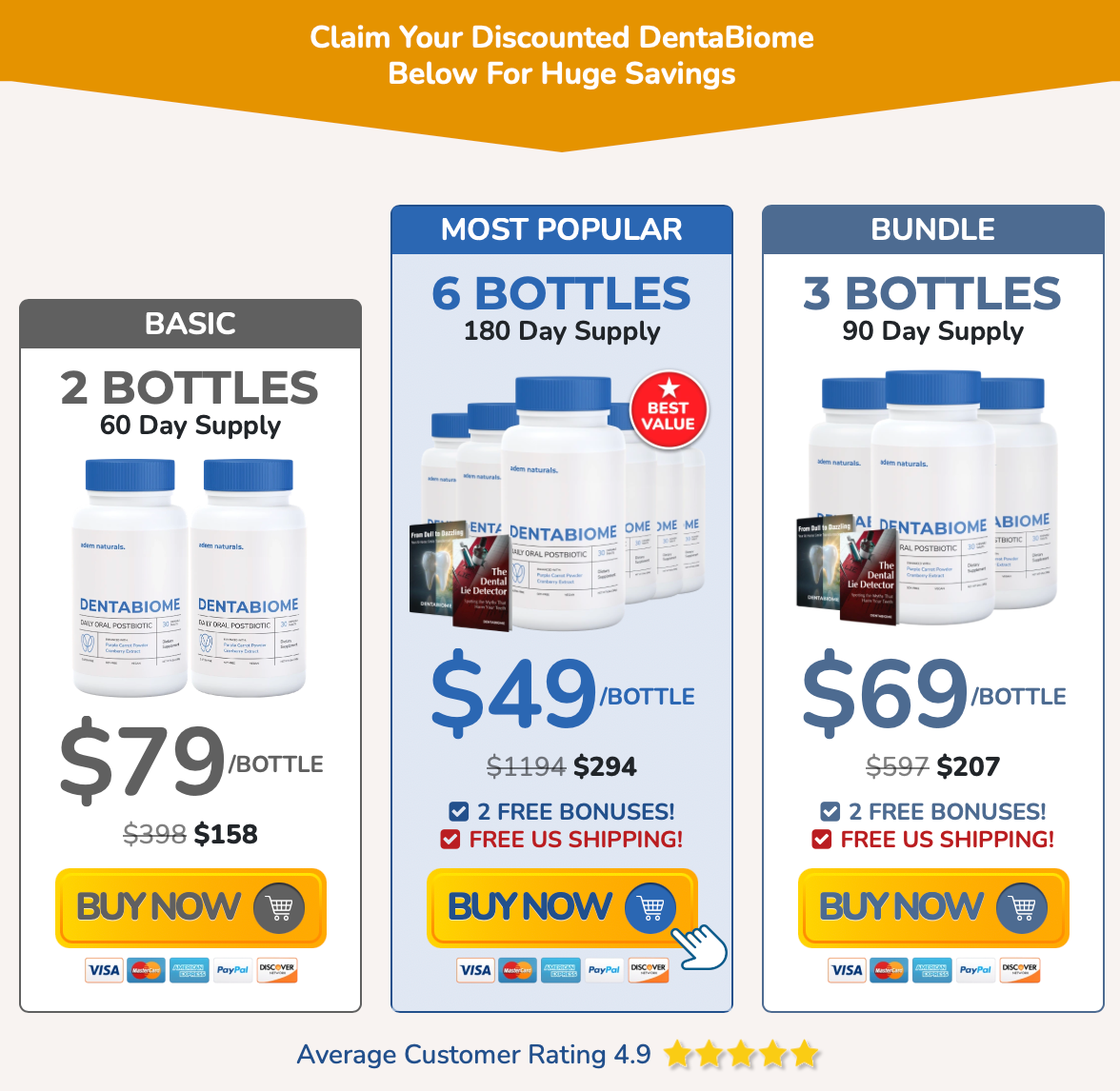
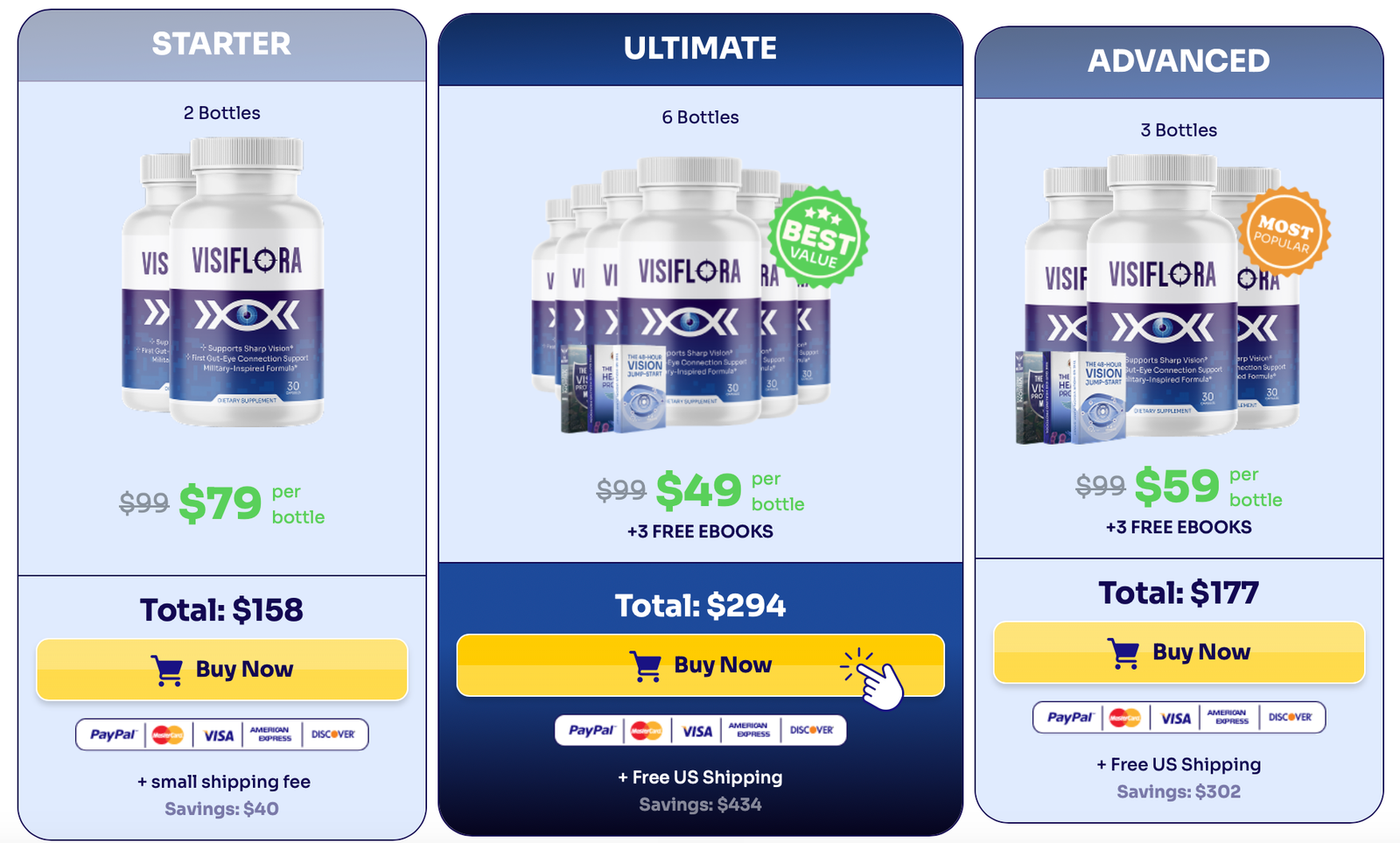
A useful cost comparison should normalize the total purchase price, servings, shipping and any mandatory subscription. For ProDentim, the supplied merchant artwork shows lower unit pricing on larger packages, but those terms should be rechecked before deployment because price and shipping are time-sensitive.
When ProDentim May Still Be the Better Fit
ProDentim may remain attractive to a buyer who wants a chewable oral-probiotic format, prefers its current listed formula, values the merchant-stated refund period and is comfortable with the distinction between ingredient research and direct finished-product evidence.
That is a product-fit argument rather than a claim of universal superiority. Another buyer may reasonably prefer a simpler strain-specific probiotic, an established oral-hygiene product or professional dental care depending on the actual problem.
When an Alternative May Be Better
- You require direct finished-product randomized clinical evidence.
- You want a specific probiotic strain with clearer trial traceability.
- You prefer a lozenge, capsule or other delivery format.
- You have active dental symptoms requiring diagnosis.
- You want a lower-cost or smaller trial quantity.
- You need a product available through a different regional shipping route.
- You have ingredient sensitivities that make the ProDentim formula unsuitable.
