How eating and drinking patterns affect enamel
Frequency often matters as much as quantity. Sipping sweetened or acidic beverages over many hours can keep the oral environment acidic through repeated episodes. Choosing water between meals and allowing saliva time to recover can reduce these challenges.
How oral microbiome support fits
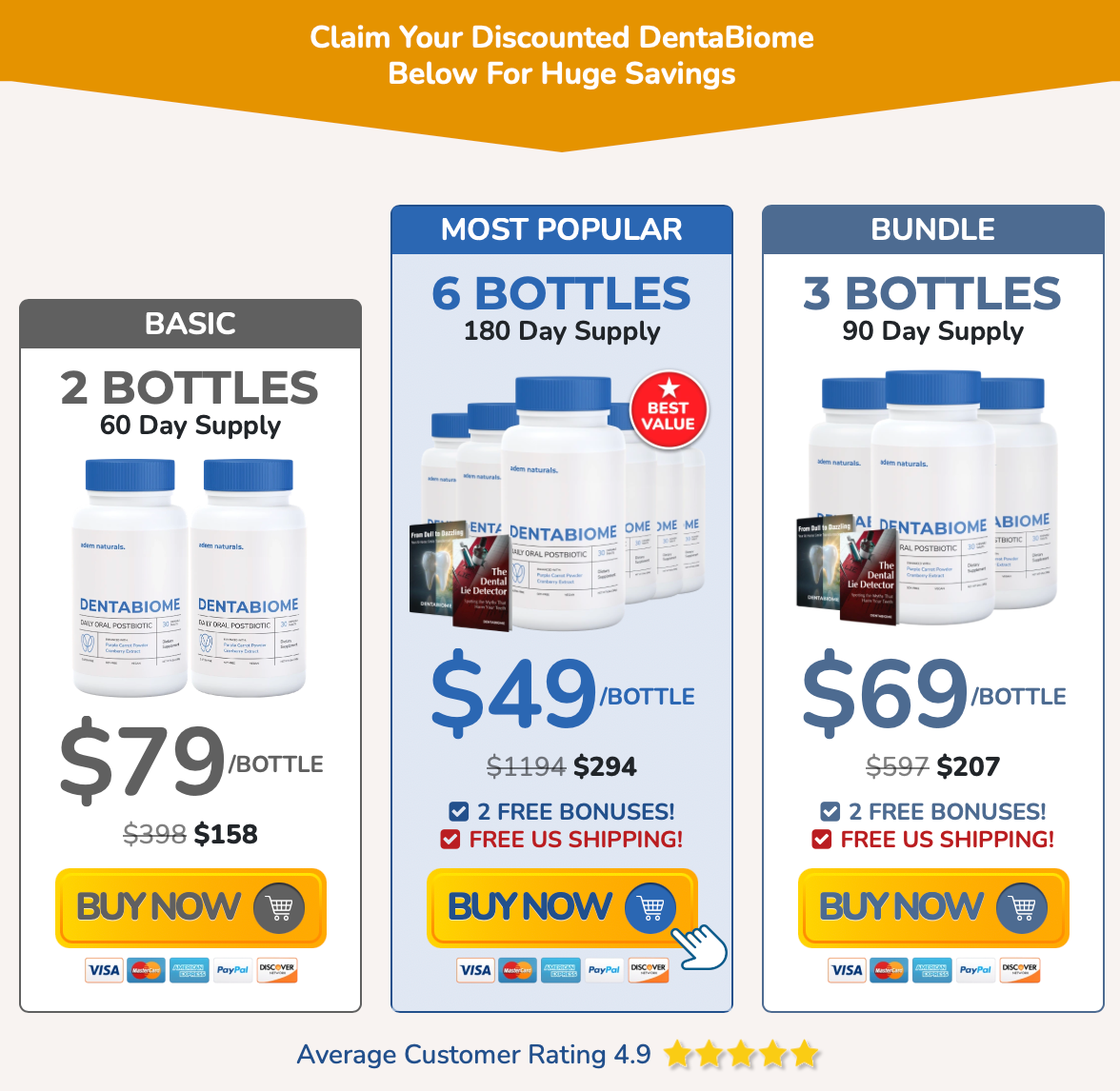
A healthier oral microbial environment may reduce the intensity of acid-producing biofilm, but ingredient or postbiotic research does not prove direct enamel remineralization by DentaBiome. It is better framed as an adjunct within an enamel-protection routine.
What claims should make buyers cautious
Avoid assuming that natural, postbiotic or mineral-support language means a product rebuilds lost enamel. Once enamel is physically lost, prevention and professional restoration may be needed depending on severity. Strong claims should be tied to actual evidence.
A practical enamel-protection plan
Brush twice daily with fluoride toothpaste, reduce frequent sugar and acid exposure, address dry mouth and keep plaque under control. Only after these are established should a user decide whether an adjunctive microbiome product offers enough value to add to the routine.
Evidence boundary: category, ingredient, strain, probiotic or postbiotic research does not establish the same clinical outcome for the finished DentaBiome product. Persistent or concerning dental symptoms should be professionally assessed.
More oral-health problems and desired outcomes
A practical way to reduce repeated acid attacks
Instead of focusing only on which foods are “good” or “bad,” look at exposure patterns. Finishing an acidic drink with a meal creates a different pattern from sipping it for hours. Frequent snacks containing fermentable carbohydrate can repeatedly lower plaque pH. Plain water between meals, adequate saliva and fluoride toothpaste help restore a more favorable environment. People who use sports drinks, citrus beverages, carbonated drinks or frequent lozenges should consider both sugar and acidity. If sensitivity or visible erosion is already present, a dentist can distinguish chemical erosion from caries or abrasion. An oral-microbiome supplement may complement plaque-focused goals, but the most important enamel outcome comes from reducing acid frequency and maintaining fluoride and saliva support over time.
Outcome-focused takeaway
Enamel-focused decisions should also separate erosion from caries. Erosion is chemical loss of tooth structure from acids not primarily produced by bacteria, while caries involves biofilm-mediated demineralization. The prevention strategies overlap but are not identical. A microbiome product is more logically connected to plaque ecology than to direct protection from dietary or gastric acids. Users with visible wear, reflux, eating-disorder history or recurrent sensitivity should therefore seek a cause-specific assessment rather than relying on a general oral supplement.
For users who already have erosion or enamel defects, professional monitoring is especially valuable because home products cannot replace lost tooth structure. The best supplement decision is therefore one that complements a preventive plan and does not create false confidence around existing damage.
References and evidence basis
ADA Home Oral Care; ADA Chewing Gum; Dong C et al., Food Nutrition 2026.