Glucose Metabolism Supplements: What the Evidence Can and Cannot Show
A mechanism-focused guide to supplements marketed around glucose and carbohydrate metabolism, with human evidence separated from biological plausibility.
- Understand glucose metabolism without turning mechanisms into treatment claims
- Compare chromium, cinnamon, Gymnema and green-tea evidence carefully
- Distinguish fasting glucose, post-meal glucose, insulin and weight outcomes
- Use product-level evidence only when the finished formula has actually been studied
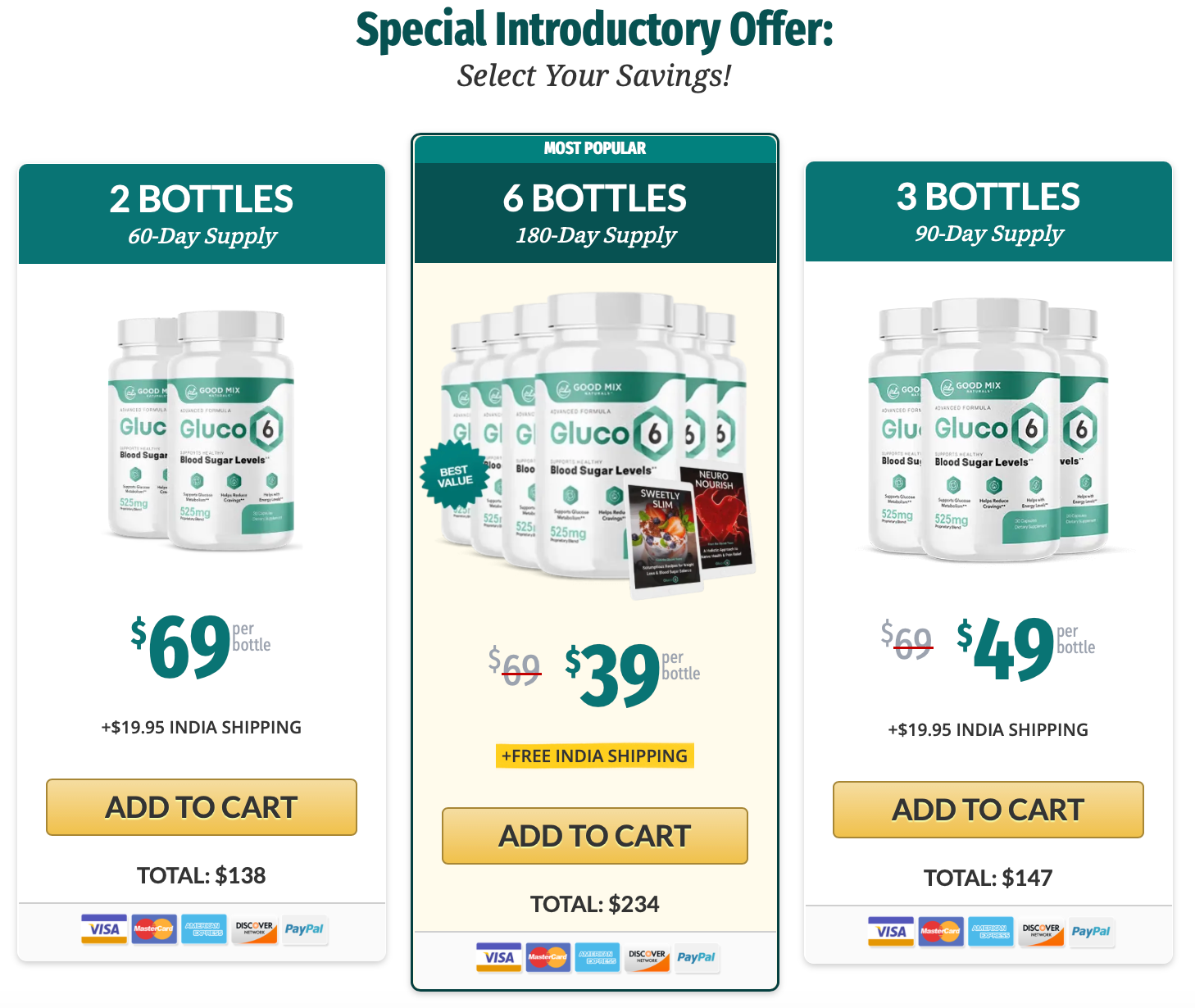
See the current Gluco6 offer before reading the deeper research
Commercial terms can change. Check the current merchant page for package, shipping, bonus and refund details.



What glucose metabolism means
Glucose metabolism describes how the body absorbs, stores, uses and regulates glucose across tissues. Supplements marketed around this concept often target carbohydrate digestion, glucose transport, insulin-related signaling or downstream metabolic markers, but those mechanisms are not interchangeable.
A product may be positioned around “glucose metabolism” without having evidence that it changes clinically meaningful outcomes. Mechanistic plausibility is useful for generating hypotheses, yet clinical relevance depends on human evidence using appropriate populations and endpoints. Fasting glucose, post-meal glucose, HbA1c, insulin sensitivity and body weight answer different questions.
For SEO and buyer education, the most important distinction is between a mechanism claim and an outcome claim. A mechanism can help explain why an ingredient is studied; it cannot establish that a finished supplement will treat a metabolic disorder.
Chromium and carbohydrate metabolism
Chromium is commonly discussed in relation to carbohydrate, lipid and protein metabolism, but human findings are mixed and should be interpreted conservatively.
NIH ODS notes that chromium may have a biological role in metabolism, while clinical trials across diabetes, metabolic syndrome and body-weight outcomes have produced inconsistent results. That is a good example of why a plausible role does not automatically translate into a large or reliable supplement effect.
When chromium appears in a formula, the useful questions are the chemical form, amount, population relevance, and whether the finished product provides evidence beyond ingredient association.
Cinnamon, Gymnema and green tea occupy different evidence lanes
Cinnamon, Gymnema and green tea are frequently grouped together in supplement marketing, but their research histories, studied outcomes and safety considerations differ.
NCCIH describes cinnamon research as difficult to interpret and not sufficient to establish clear health benefits. Gymnema has a smaller but distinct human evidence base in glucose-related contexts. Green tea is better known for catechin/caffeine research on energy expenditure and weight-related endpoints, although metabolic markers are also studied.
The practical implication is that these ingredients should not be treated as interchangeable “blood sugar” components. A formula comparison should show which role each ingredient is intended to play and how directly the evidence maps to that role.
Compare the research with the current Gluco6 formula
Use the product-specific review to see which ingredients are actually in the current formula and how the evidence boundaries apply.
Why multi-ingredient formulas are harder to evaluate
Combining several researched ingredients does not automatically create a clinically validated product.
Interactions among ingredients, lower doses, different extracts and proprietary blends can all change relevance. Even when each ingredient has some human research, the exact combination may never have been studied. Good editorial analysis therefore separates ingredient-level evidence from finished-product evidence and makes uncertainty visible instead of hiding it behind a long ingredient list.
For Gluco6, this distinction is central because several listed ingredients have independent research histories, while the commercial formula still requires product-specific evaluation.
Safety belongs inside the metabolism discussion
A supplement that may influence glucose-related physiology can matter more for people taking medication or managing diagnosed conditions.
The risk profile depends on ingredient and dose. Users of glucose-lowering medication may need particular caution because additive effects could be clinically relevant. Some ingredients also have liver, gastrointestinal, stimulant or drug-absorption considerations.
A general guide cannot determine individual safety. It can, however, make the right decision points visible: current medication, health status, planned surgery, pregnancy, dose, extract type and product quality.
How to evaluate a glucose-metabolism claim
The strongest claim review asks whether the wording matches the evidence level.
Structure/function language such as supporting normal metabolism is different from claims to lower glucose, reverse insulin resistance or treat diabetes. A responsible page identifies the evidence tier, population, endpoint and magnitude before drawing conclusions. When a commercial claim is stronger than the independent evidence, the editorial copy should narrow the claim rather than broaden the evidence.
How to separate mechanisms from clinically meaningful outcomes
Glucose metabolism involves digestion, absorption, hepatic glucose output, insulin signaling, cellular uptake, glycogen storage and multiple hormonal controls. A supplement ingredient may influence one biochemical pathway in laboratory or preclinical research without producing a meaningful effect in people. Even human trials can measure surrogate markers that do not answer the question a consumer thinks is being answered.
When reading a metabolism claim, first ask what was actually measured. If the evidence concerns fasting glucose, do not silently convert it into a claim about appetite, HbA1c, weight loss or insulin sensitivity. If the evidence is mechanistic, label it as mechanistic. If it comes from animals or cells, do not present it as human clinical confirmation. This level of precision is especially important for multi-ingredient formulas because the mechanisms of several ingredients can sound additive even when the combination has never been tested.
A useful product decision therefore rests on three layers: biological plausibility, ingredient-level human evidence and finished-product evidence. The confidence level should rise only when the evidence moves closer to the actual product, population and outcome being discussed.
Questions that expose weak glucose-metabolism marketing
Weak marketing often relies on biochemical language without showing that the finished product changed a meaningful human outcome. The fastest way to test a claim is to ask what evidence level sits behind it and whether the endpoint matches the wording.
If the claim mentions metabolism, ask which marker was measured. If the evidence is an animal or cell study, it should not be described as clinical proof. If the study used a single ingredient, it should not be converted into evidence for a blend. If the commercial formula does not disclose dose, it becomes difficult to judge whether the evidence is applicable. These questions are especially important when a page uses terms such as “optimize,” “reset,” “balance,” or “activate” without defining a measurable outcome.
A useful guide therefore translates broad marketing language into a concrete checklist: population, ingredient form, dose, duration, endpoint, magnitude, safety and product-level relevance. This same checklist should be repeated on the Gluco6 evidence page so the generic and branded assets reinforce each other without duplicating intent.
How to use this research without over-reading it
Research is most useful when it narrows uncertainty rather than pretending to remove it.
For supplement decisions, the strongest workflow is to identify the exact user goal, find the human evidence that measures that same outcome, check whether the studied ingredient and dose resemble the commercial formula, then review safety and current merchant information. This sequence avoids a common error in affiliate content: starting with a product claim and searching backward for any study that sounds related.
Evidence also changes over time. New trials, reformulations, updated safety information and revised merchant terms can alter the practical conclusion even when the page URL remains the same. That is why this guide treats research evidence as periodically reviewable and commercial facts as faster-changing. Before purchase, users should verify the current label and checkout terms rather than relying on an old screenshot or third-party summary.
Finally, the absence of strong evidence is not proof that an ingredient has no effect, just as the presence of one positive study is not proof that a finished product works. The most defensible conclusion is the one that matches the quality, population, dose, duration and endpoint of the available evidence.
Continue through the evidence and product decision path
Finished the research? Review the current Gluco6 offer
Confirm the current formula and merchant terms before making a purchase decision.
Research sources and evidence notes
- Shahinfar H, et al. Comparative effects of nutraceuticals on body weight in adults with overweight or obesity: systematic review and network meta-analysis of 111 randomized clinical trials. Pharmacological Research. 2023.
- Mah E, Chen O, Liska DJ, Blumberg JB. Dietary Supplements for Weight Management: A Narrative Review of Safety and Metabolic Health Benefits. Nutrients. 2022.
- Jeukendrup AE, Randell R. Fat burners: nutrition supplements that increase fat metabolism. Obesity Reviews. 2011.
- NIH Office of Dietary Supplements. Dietary Supplements for Weight Loss: Health Professional Fact Sheet.
- NCCIH. Diabetes and Dietary Supplements: What You Need To Know.