Cinnamon and Blood Sugar: Evidence Quality, Species, Safety & Supplement Use
A research-focused look at cinnamon for glucose-related outcomes, with special attention to inconsistent clinical findings, species differences, coumarin exposure and the difference between an ingredient study and a Gluco6 product claim.
- Cinnamon studies vary by species, preparation, dose and duration
- Fasting glucose and HbA1c are different endpoints and should not be conflated
- Cassia cinnamon can contain more coumarin than Ceylon cinnamon
- The current Gluco6 merchant material describes its cinnamon as concentrated Ceylon cinnamon
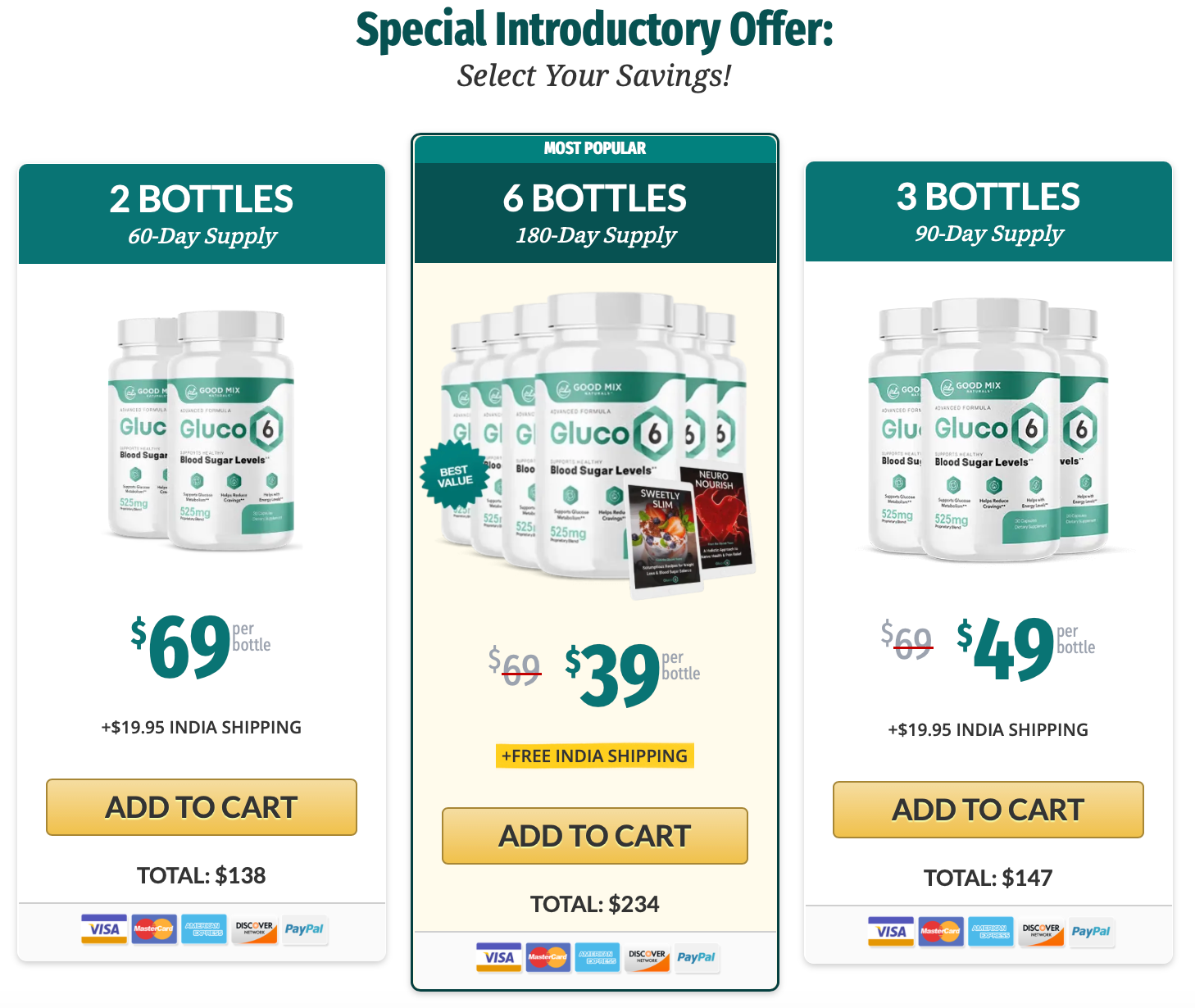
Review the current Gluco6 offer after checking the evidence
Confirm the current formula, label details and merchant terms before making a purchase decision.





What does the evidence say about cinnamon and blood sugar?
Cinnamon has been studied for glucose-related outcomes, but the research is mixed and difficult to summarize as a simple yes or no. Systematic reviews and meta-analyses include trials that differ in cinnamon species, preparation, dose, duration, participant population and outcome measure.
Some studies report changes in fasting glucose or HbA1c, while others do not. A pooled result can therefore hide meaningful differences among trials. The practical lesson is that “cinnamon lowers blood sugar” is too broad. A better question is which cinnamon preparation, at what dose, in which population, for how long, and for which endpoint.
NCCIH states that research does not clearly support cinnamon for any health condition and notes that diabetes and weight-loss findings remain difficult to interpret. That framing is useful because it prevents a positive subgroup or individual trial from being turned into a universal supplement promise.
Why cinnamon species matters
Cinnamon is not a single standardized exposure. Ceylon and cassia cinnamon differ chemically, and commercial products do not always disclose the species or plant part.
Cassia cinnamon generally contains more coumarin, a compound relevant to liver safety at sufficiently high exposure. Ceylon cinnamon typically contains much lower amounts. This does not mean Ceylon cinnamon is automatically risk-free, but it does mean species can materially change the safety discussion.
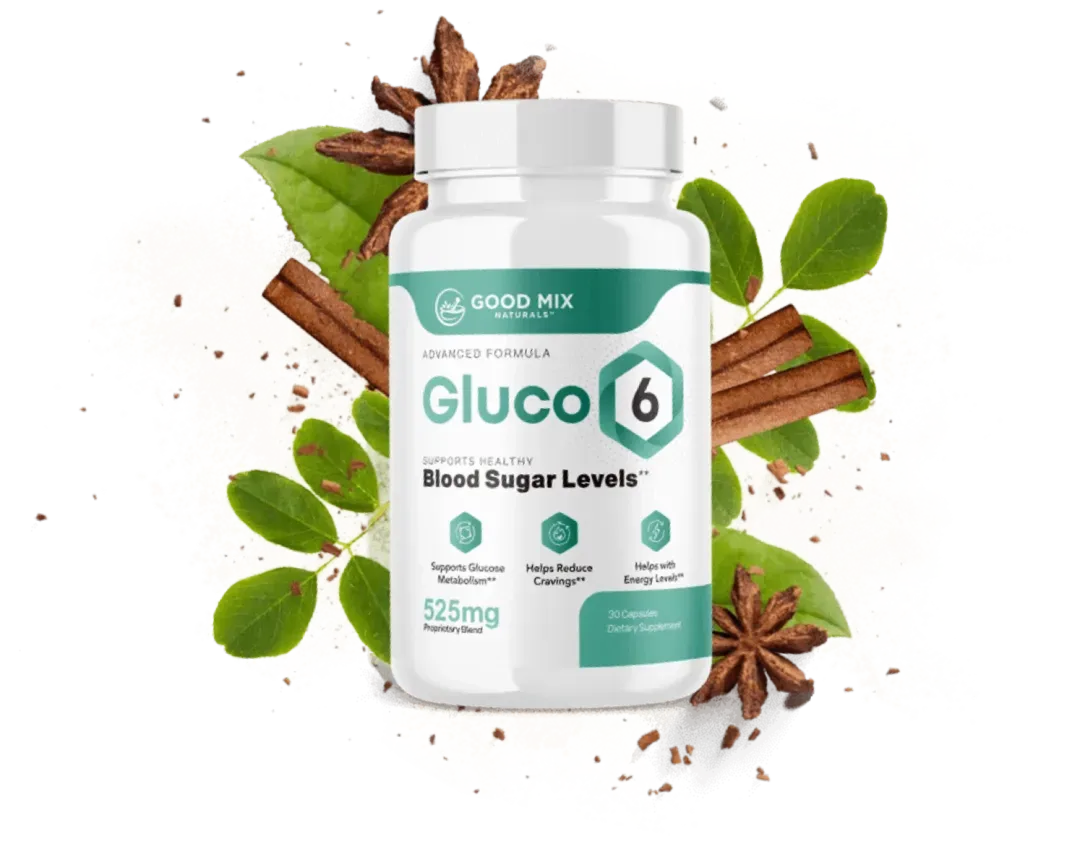
The current Gluco6 merchant material describes its cinnamon as concentrated Ceylon cinnamon. That is a product-identity statement from the merchant source. It does not by itself establish that the amount, extract or preparation matches the cinnamon used in a particular clinical trial.
How should clinical endpoints be interpreted?
Fasting glucose, post-meal glucose, HbA1c and insulin-related measures answer different questions. A change in one endpoint should not be presented as proof of comprehensive glycemic control.
HbA1c reflects average glucose exposure over a longer period, while fasting glucose is a point-in-time measure under specific conditions. Post-meal responses capture another physiological context. Trial duration therefore matters. A short intervention may be incapable of establishing a meaningful HbA1c effect even if it changes another marker.
A high-quality page should also identify whether participants had type 2 diabetes, prediabetes, obesity or no diagnosed metabolic condition. Evidence in one population should not be silently generalized to another.
Compare the research, then review the current Gluco6 offer
Confirm the current formula, label details and merchant terms before making a purchase decision.
What are the main safety considerations?
Culinary amounts of cinnamon are generally well tolerated, but larger or prolonged supplemental use can cause gastrointestinal problems, allergic reactions and, particularly with cassia cinnamon, higher coumarin exposure.
NCCIH highlights coumarin as a reason for caution with cassia cinnamon, especially for people susceptible to liver injury or using large amounts over time. Product labels that do not identify species create more uncertainty because users cannot easily estimate that exposure context.
For concentrated supplements, the correct safety discussion should include species, dose, duration and individual liver susceptibility. A statement that cinnamon is “natural” does not remove the need for these distinctions.
Could cinnamon interact with diabetes medicines?
People using glucose-lowering medication should review supplemental cinnamon use with a clinician or pharmacist because combined effects may be relevant, even though the evidence does not support claiming that every combination causes hypoglycemia.
NCCIH advises that herbal supplements used by people with diabetes can create unwanted effects when combined with conventional treatment. The responsible language is therefore precautionary rather than absolute. A page should distinguish a plausible or officially cautioned interaction from a clinically established interaction with a known incidence.
This is especially important for multi-ingredient formulas that combine several ingredients marketed for glucose support. The combined effect may be harder to predict than the effect of cinnamon alone.
How does cinnamon evidence relate to Gluco6?
Gluco6 includes merchant-described concentrated Ceylon cinnamon, but cinnamon ingredient evidence does not demonstrate that Gluco6 produces the same outcome as any cinnamon trial.
To assess applicability, the product would need enough label detail to compare the actual amount, preparation and serving pattern with the research. The current merchant material reviewed here identifies the cinnamon type but does not establish all of those study-matching variables. That uncertainty should remain explicit.
A product review can therefore say that Gluco6 contains Ceylon cinnamon and summarize relevant human evidence, but it should not convert that evidence into a finished-product claim without direct supporting data.
Practical checklist for cinnamon-containing supplements
Check species, dose, duration, medication context and liver considerations before treating a cinnamon supplement as a routine wellness product.
Prefer labels that identify whether the cinnamon is Ceylon or cassia and disclose the amount. Review whether the product contains several other glucose-active ingredients. People using diabetes medicines or managing liver disease should discuss concentrated cinnamon supplementation with an appropriate professional.
For evidence interpretation, look for trials that match the species and preparation actually used. If the commercial product does not disclose enough detail, reduce confidence in direct comparison rather than assuming equivalence.
Why do cinnamon studies reach different conclusions?
Cinnamon studies often disagree because they use different species, preparations, doses, durations, populations and endpoints, creating substantial heterogeneity that makes simple headline conclusions unreliable.
Species is one major source of variation. A trial using cassia cinnamon cannot automatically be treated as evidence for Ceylon cinnamon, and an aqueous extract may not be equivalent to powdered bark. Dose and treatment duration add further differences. Studies lasting a few weeks answer a different question from studies extending over several months, especially when HbA1c is an outcome.
Participant characteristics can also explain divergent results. Baseline glycemic control, medication use, diet, body weight and disease duration may influence the size of an observed effect. A meta-analysis can estimate an average result across these studies, but the average does not erase the differences. This is why certainty, heterogeneity and risk of bias are as important as the pooled number.
For Gluco6, the merchant's identification of Ceylon cinnamon is useful because it narrows the species question. It still does not establish the amount, extract characteristics or study equivalence needed to convert cinnamon research into a product-level efficacy claim. The best buyer-facing interpretation is therefore to use cinnamon research as one part of a broader formula assessment, alongside label transparency, safety, other ingredients and the presence or absence of finished-product data.
Another practical issue is product quality. Cinnamon supplements can vary in sourcing, processing and contamination controls, so evidence interpretation should not stop at the ingredient name. Buyers should look for clear labeling, credible manufacturing standards and realistic claims. When a formula combines cinnamon with several other metabolic ingredients, it becomes even more important to avoid attributing an observed outcome to cinnamon alone. This is especially relevant for Gluco6, where any product-level effect would reflect the complete formula rather than a single component.
Continue through the evidence and product decision path
Finished the ingredient research? Check the current Gluco6 offer
Confirm the current formula, label details and merchant terms before making a purchase decision.
Research sources and evidence notes
- NCCIH: Cinnamon
- NCCIH: Diabetes and Dietary Supplements
- PubMed: 2024 systematic review of cinnamon and glycemic control