Gymnema Sylvestre and Blood Sugar: Evidence, Safety & How to Interpret the Research
A cautious, evidence-led review of Gymnema sylvestre for glucose-related supplement use, with clear separation between human research, safety signals and what can actually be inferred about a multi-ingredient product such as Gluco6.
- Human studies and reviews matter more than traditional-use claims
- Rare safety signals should be described without exaggerating their frequency
- Extract form, dose, duration and population determine how relevant a study is
- Ingredient evidence does not establish finished-product efficacy

Review the current Gluco6 offer after checking the evidence
Confirm the current formula, label details and merchant terms before making a purchase decision.





What does the human evidence say about Gymnema sylvestre?
Gymnema sylvestre has been studied for glucose-related outcomes, but the human evidence base is smaller and less standardized than marketing language often suggests. Trials and reviews differ in extract preparation, dose, duration, participant population and endpoints. Some studies report improvements in glucose-related markers, but the evidence is not strong enough to treat Gymnema as a proven treatment or to assume that any product containing it will reproduce the same result.
A useful review starts by asking what was actually studied. Evidence in people with diagnosed diabetes cannot automatically be generalized to healthy adults using a wellness supplement. Likewise, a standardized extract used at a specified dose in a clinical study is not necessarily comparable with an unspecified amount in a multi-ingredient formula. When those details are missing, the correct conclusion is uncertainty rather than a stronger claim.
Gymnema is sometimes described as a “sugar destroyer” or craving-control ingredient in commercial material. That wording is marketing, not a scientific endpoint. Research should instead be organized around measurable outcomes such as fasting glucose, post-meal glucose, HbA1c, insulin-related measures, appetite or sensory responses. Each endpoint answers a different question and should not be collapsed into a single claim that the ingredient “controls blood sugar.”
Why dose, extract and population matter
The relevance of Gymnema research depends heavily on the exact preparation and the people studied. Without a matching extract specification and dose, translating an ingredient study into a product claim becomes uncertain.
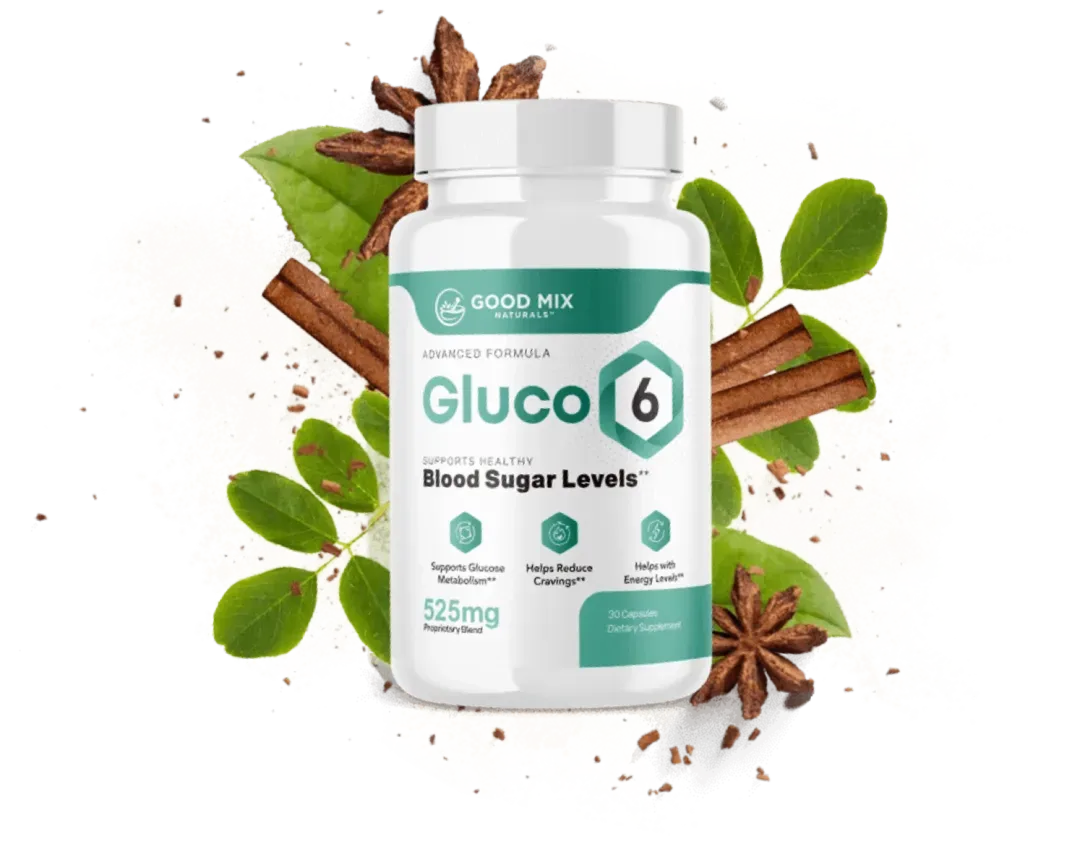
Herbal ingredients are chemically variable. Plant part, extraction method, standardization and concentration can change the amount of active constituents delivered. If a commercial label does not identify those characteristics, it becomes difficult to know whether published research applies directly. The current Gluco6 merchant material identifies Gymnema as part of the formula, but the available source material reviewed for this build does not establish a standardized extract or exact amount. That gap should remain visible on the page rather than being filled by assumption.
Duration matters too. Short studies can identify acute changes but cannot establish long-term outcomes. Population matters in the same way. A finding in people with poor glycemic control does not prove that a person with normal glucose levels will obtain the same effect. A high-quality page therefore records population, dose, preparation, duration and endpoint before interpreting a result.
What is known about Gymnema safety?
Human safety data for Gymnema are limited compared with widely used nutrients, and the available literature includes rare liver-injury reports. These reports are safety signals rather than proof that routine Gymnema use commonly causes liver injury.
LiverTox and published case literature describe isolated cases in which Gymnema-containing products were associated with liver injury. Case reports are important because they can identify unusual adverse-event signals, but they cannot determine incidence and may be complicated by multi-ingredient exposure, product quality, other medicines or underlying conditions. The responsible interpretation is to acknowledge the signal and its uncertainty at the same time.
People with existing liver disease, unexplained liver-test abnormalities or a history of supplement-associated liver injury should be especially cautious with concentrated herbal products. Symptoms such as jaundice, dark urine, persistent abdominal pain or unusual fatigue warrant medical evaluation rather than continued self-experimentation with supplements.
Compare the research, then review the current Gluco6 offer
Confirm the current formula, label details and merchant terms before making a purchase decision.
Could Gymnema interact with glucose-lowering treatment?
Because Gymnema is used in products intended to influence glucose-related physiology, concurrent use with insulin or glucose-lowering medicines deserves a conservative medication-review warning even when a specific interaction has not been established to the same degree as a conventional drug-drug interaction.
The practical concern is additive effect. If an ingredient changes glucose handling and a person is already using medication for the same physiological system, the combination may require monitoring. The page should not overstate this as a universally proven interaction. Instead, it should explain that the biological rationale and intended use justify discussion with a clinician or pharmacist, particularly for people using insulin, metformin or other antidiabetic therapy.
Pregnancy and breastfeeding also require caution because adequate safety evidence is not established for many concentrated herbal extracts. The absence of strong safety data is not proof of harm, but it is a reason to avoid confident safety assurances.
How does Gymnema evidence relate to Gluco6?
Gymnema research can help evaluate one component of Gluco6, but it cannot establish the efficacy or safety of the finished product. Finished-product performance depends on the actual amount and form of Gymnema, the other ingredients, directions for use and the characteristics of the person taking it.
The current Gluco6 merchant material includes Gymnema and describes it using highly promotional language. That material is useful for identifying the ingredient and the seller’s positioning, but it is not independent evidence that Gluco6 produces the outcomes described. A rigorous review therefore separates merchant claims from published ingredient research and then identifies where the bridge between the two remains uncertain.
For buyers, the most useful questions are simple: Is the amount disclosed? Is the extract standardized? Does the product provide safety guidance for people taking glucose-lowering medication? Are the strongest claims supported by finished-product research or only by ingredient studies? Those questions are more informative than a headline promise.
Practical checklist before using a Gymnema-containing supplement
A cautious buyer should verify the label, ingredient amount, extract description, medication context and safety information before using a Gymnema-containing product.
Check whether the product identifies the amount and form of Gymnema, whether other glucose-active ingredients are present, and whether the manufacturer provides interaction or medication warnings. Avoid treating testimonials as clinical evidence. If the label is incomplete, interpret the evidence more cautiously rather than assuming equivalence with a published trial.
People who use glucose-lowering medicines, have liver disease, are pregnant or breastfeeding, or are managing a significant medical condition should discuss supplement use with an appropriate health professional. Persistent or concerning symptoms should be evaluated medically rather than managed only through a supplement purchase.
How strong is the Gymnema evidence for a real-world buying decision?
The most defensible conclusion is that Gymnema is an ingredient with biologically plausible and clinically studied glucose-related effects, but the evidence is not sufficiently uniform to support broad treatment claims or to predict the effect of every commercial formula.
For a buyer, evidence quality matters more than the number of positive-sounding studies. A useful hierarchy gives greater weight to well-designed human trials and systematic reviews, then asks whether the extract, amount and population resemble the product and user in question. Smaller uncontrolled studies, traditional-use descriptions and laboratory findings may generate hypotheses, but they should not be presented as equivalent to randomized human evidence.
It is also important to separate statistical significance from practical importance. A measurable shift in a glucose-related marker does not automatically mean that a user will notice a meaningful health outcome, and it does not establish disease treatment. The same caution applies to appetite and craving claims. If a study measures taste perception or short-term intake, that result should not be translated into guaranteed long-term weight change.
For Gluco6, the main evidence gap is product-specific. The merchant identifies Gymnema as an ingredient, but the source material reviewed here does not provide enough information about standardization and amount to match the product precisely to a specific trial. That means the ingredient literature is useful context, not finished-product proof. A transparent product label and direct product-level clinical research would materially improve confidence.
Continue through the evidence and product decision path
Finished the ingredient research? Check the current Gluco6 offer
Confirm the current formula, label details and merchant terms before making a purchase decision.
Research sources and evidence notes
- LiverTox: Gymnema
- PubMed case report: Gymnema sylvestre and toxic hepatitis
- NCCIH: Diabetes and Dietary Supplements