Blood Sugar Support Supplements: Evidence, Ingredients & How to Compare
A research-led framework for comparing supplements marketed for healthy blood sugar support, with clear boundaries between ingredient evidence, product claims and treatment decisions.
- Compare formulas by ingredient, dose transparency and evidence quality
- Separate product marketing from independent human research
- Review safety, interactions and the limits of supplement claims
- Use Gluco6 only as one product example within the wider category
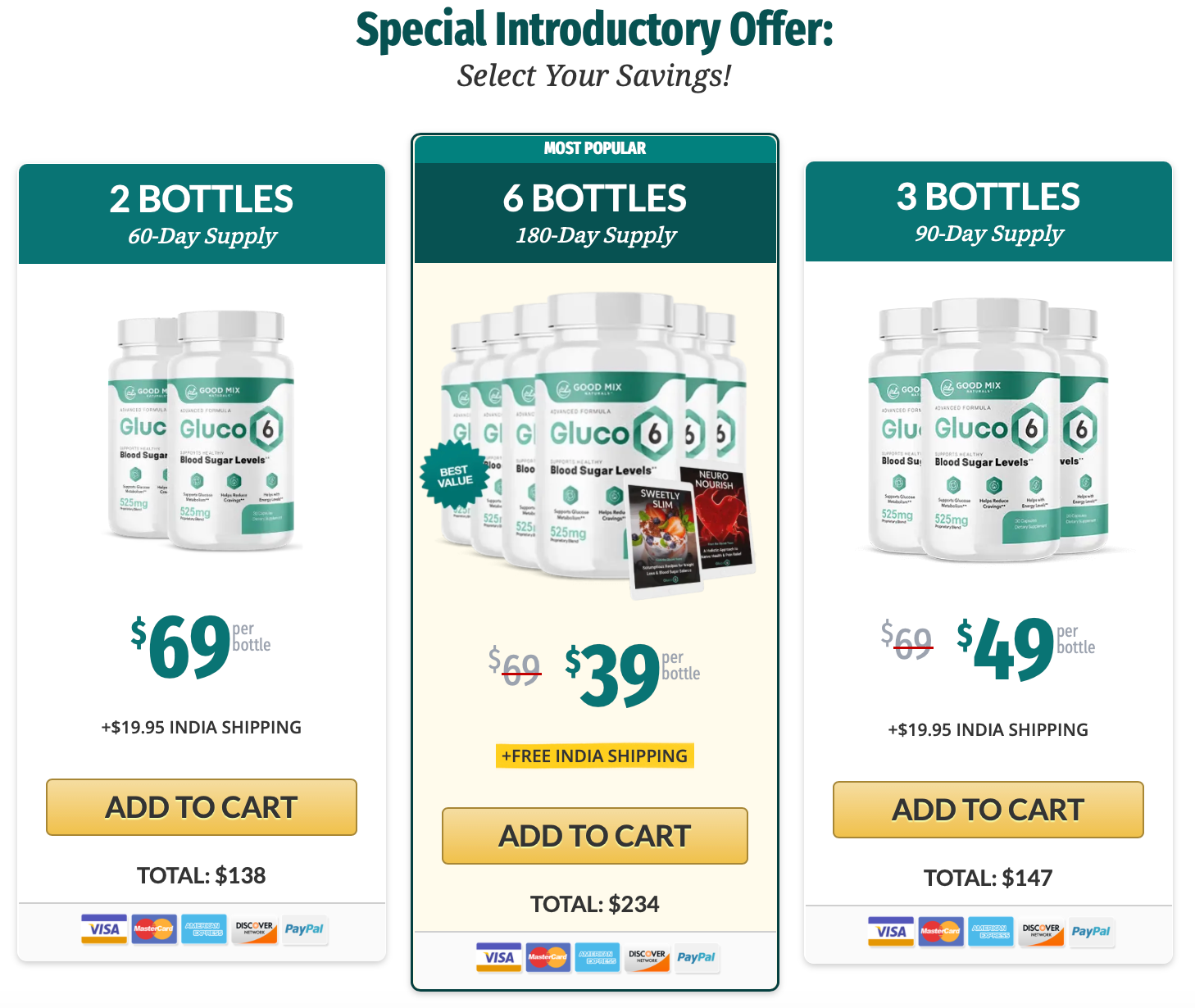
See the current Gluco6 offer before reading the deeper research
Commercial terms can change. Check the current merchant page for package, shipping, bonus and refund details.



What “blood sugar support” means in supplement marketing
Blood sugar support supplements are dietary supplements marketed to support normal glucose-related physiology, not medicines for diagnosing or treating diabetes. The useful comparison question is therefore whether a formula is transparent, whether its ingredients have relevant human evidence, whether the doses and forms resemble those studied, and whether the safety profile fits the individual user.
The category often mixes several distinct concepts: post-meal glucose handling, carbohydrate metabolism, insulin-related signaling, appetite or craving support, and broader metabolic-health positioning. These ideas should not be collapsed into one promise. A study showing a small change in fasting glucose for one ingredient does not establish that every multi-ingredient product containing that ingredient will do the same thing. The finished formula, dose, population, duration and endpoint all matter.
For people who have diabetes, prediabetes, symptoms of hyperglycemia, or use glucose-lowering medication, product selection should not substitute for medical evaluation. Supplements may also interact with medication or change glucose levels in ways that matter clinically.
How to compare ingredients without overstating the evidence
Ingredient evidence is most useful when it is read at the same level at which it was generated. Chromium, cinnamon, Gymnema and green tea have all been studied in glucose-related or metabolic contexts, but the consistency and clinical relevance of findings vary.
A good comparison starts with the exact ingredient and form, then asks which population was studied, what outcome changed, how large the change was, how long the intervention lasted, and whether the evidence comes from one small trial or a broader systematic review. NIH and NCCIH summaries repeatedly emphasize that evidence for many supplements is mixed or insufficient for firm clinical conclusions.
Multi-ingredient products create another layer of uncertainty because they combine ingredients that may have different evidence bases and safety profiles. Unless the finished product itself has been tested in an appropriate human trial, ingredient research should be treated as context rather than product-level proof.
A practical formula-comparison framework
The strongest buying framework is simple: identity, evidence, dose, safety, merchant transparency and fit. A longer ingredient list is not automatically a better formula.
First, verify that the label clearly identifies active ingredients and amounts where possible. Second, separate ingredients with direct human evidence from ingredients supported mainly by mechanism or traditional use. Third, look for safety information and interaction cautions. Fourth, verify whether merchant claims are consistent with the available evidence rather than stronger than it. Finally, consider whether the commercial terms are clear enough to evaluate without pressure.
This approach also reduces the temptation to rank products solely by the number of ingredients or the intensity of the sales copy.
Compare the research with the current Gluco6 formula
Use the product-specific review to see which ingredients are actually in the current formula and how the evidence boundaries apply.
Where Gluco6 fits in the category
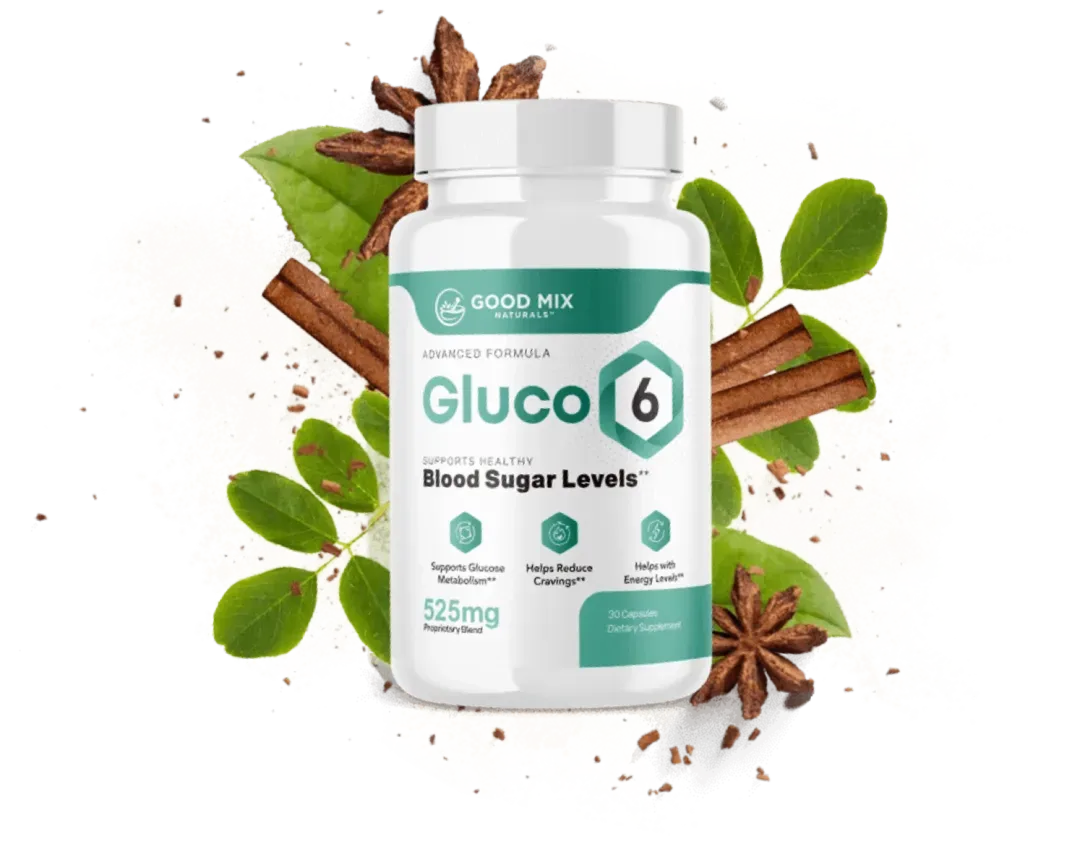
Gluco6 is one current multi-ingredient example in the blood-sugar-support category. The merchant currently identifies a six-ingredient formula including Gymnema, chromium, cinnamon and green tea alongside Sukre and TeaCrine.
Those ingredients make Gluco6 relevant to category research, but they do not make it automatically superior to single-ingredient or alternative multi-ingredient products. The appropriate bridge is to review the Gluco6 formula separately, inspect what independent evidence exists for its components, then verify current offer and safety information. This guide therefore links to the Gluco6 review as a product-specific next step rather than treating Gluco6 as the answer to every blood-sugar-support question.
Safety and interactions should be part of the purchase decision
Safety is not an afterthought in this category because ingredients that influence glucose-related physiology can matter more for people using diabetes medication or managing medical conditions.
Potential issues depend on the ingredient, dose and individual. Some supplements may affect glucose, blood pressure, liver enzymes, gastrointestinal function or drug absorption. The correct response is not to assume that “natural” means risk-free. Product labels, authoritative ingredient references and professional advice are especially important when medication, pregnancy, surgery or chronic disease is involved.
Persistent thirst, frequent urination, unexplained weight change, dizziness or other concerning symptoms should be evaluated medically rather than redirected into a supplement purchase.
Decision checklist before choosing a blood sugar support supplement
A transparent formula with realistic claims is generally more useful than a dramatic formula with unclear evidence.
Use this checklist: confirm the current label; identify which ingredients have relevant human evidence; check whether doses/forms resemble those studied; review safety and interaction information; verify refund and seller details; ignore fake urgency; and keep expectations aligned with evidence. If the product claims treatment, cure, reversal or guaranteed glucose outcomes, treat that as a warning sign rather than a benefit.
How to read evidence for blood-sugar-support ingredients
Blood-sugar supplement research is easiest to misread when different endpoints are treated as though they are interchangeable. Fasting glucose, post-meal glucose, HbA1c, insulin, insulin sensitivity and body weight reflect different physiological questions. A study can report a change in one marker without demonstrating a broad metabolic benefit. Duration also matters: an acute post-meal response cannot establish a long-term change in HbA1c or disease risk. Population matters as well. Findings in people with diagnosed diabetes may not transfer to healthy adults, and findings in people with obesity may not transfer to people using a product for general wellness.
For every ingredient, record the population, dose, extract or chemical form, trial duration, comparator and endpoint before judging relevance. Then separate the statistical result from its practical magnitude. Small average differences can be real without being large enough to justify aggressive sales language. Systematic reviews help summarize the literature, but they can still contain heterogeneous trials. The most reliable product page therefore shows the evidence boundary openly rather than turning every positive result into a universal benefit.
A strong category comparison also checks whether the commercial formula discloses enough information to map the research back to the product. If ingredient amounts are missing or an extract is not standardized, it becomes harder to determine whether a cited study is relevant. This is one reason transparent labels and conservative claims are useful buyer signals.
What a high-quality blood sugar supplement page should verify
A strong category page should verify the current product label, serving information, ingredient amounts, intended use, safety language, merchant identity and the evidence supporting each important claim. It should also make clear whether a statement comes from a manufacturer, a randomized trial, a systematic review or a regulatory/institutional source.
For blood-sugar-support products, the evidence table should separate fasting glucose, post-meal glucose, HbA1c, insulin-related outcomes and weight. It should also flag when evidence comes from people with diabetes rather than healthy adults. That prevents a narrow clinical finding from being repackaged as a universal wellness promise. A practical buyer should also ask whether the formula is transparent enough to compare with the research, whether the product makes treatment-like claims, whether medication interactions are addressed and whether refund/merchant terms are clear.
The result is a page that can serve both users and search systems: each passage answers one specific question, names the relevant entity, stays within the evidence boundary and routes the user to a product page only after the category-level question has been answered.
Continue through the evidence and product decision path
Finished the research? Review the current Gluco6 offer
Confirm the current formula and merchant terms before making a purchase decision.
Research sources and evidence notes
- Shahinfar H, et al. Comparative effects of nutraceuticals on body weight in adults with overweight or obesity: systematic review and network meta-analysis of 111 randomized clinical trials. Pharmacological Research. 2023.
- Mah E, Chen O, Liska DJ, Blumberg JB. Dietary Supplements for Weight Management: A Narrative Review of Safety and Metabolic Health Benefits. Nutrients. 2022.
- Jeukendrup AE, Randell R. Fat burners: nutrition supplements that increase fat metabolism. Obesity Reviews. 2011.
- NIH Office of Dietary Supplements. Dietary Supplements for Weight Loss: Health Professional Fact Sheet.
- NCCIH. Diabetes and Dietary Supplements: What You Need To Know.