
How to Compare Joint-Support Products
Compare joint-support products using formulation, evidence, transparency, serving format, safety context and value.

Published Products
Explore current product reviews and research hubs.


Related Product Research
Continue from this topic into the most relevant published product research.
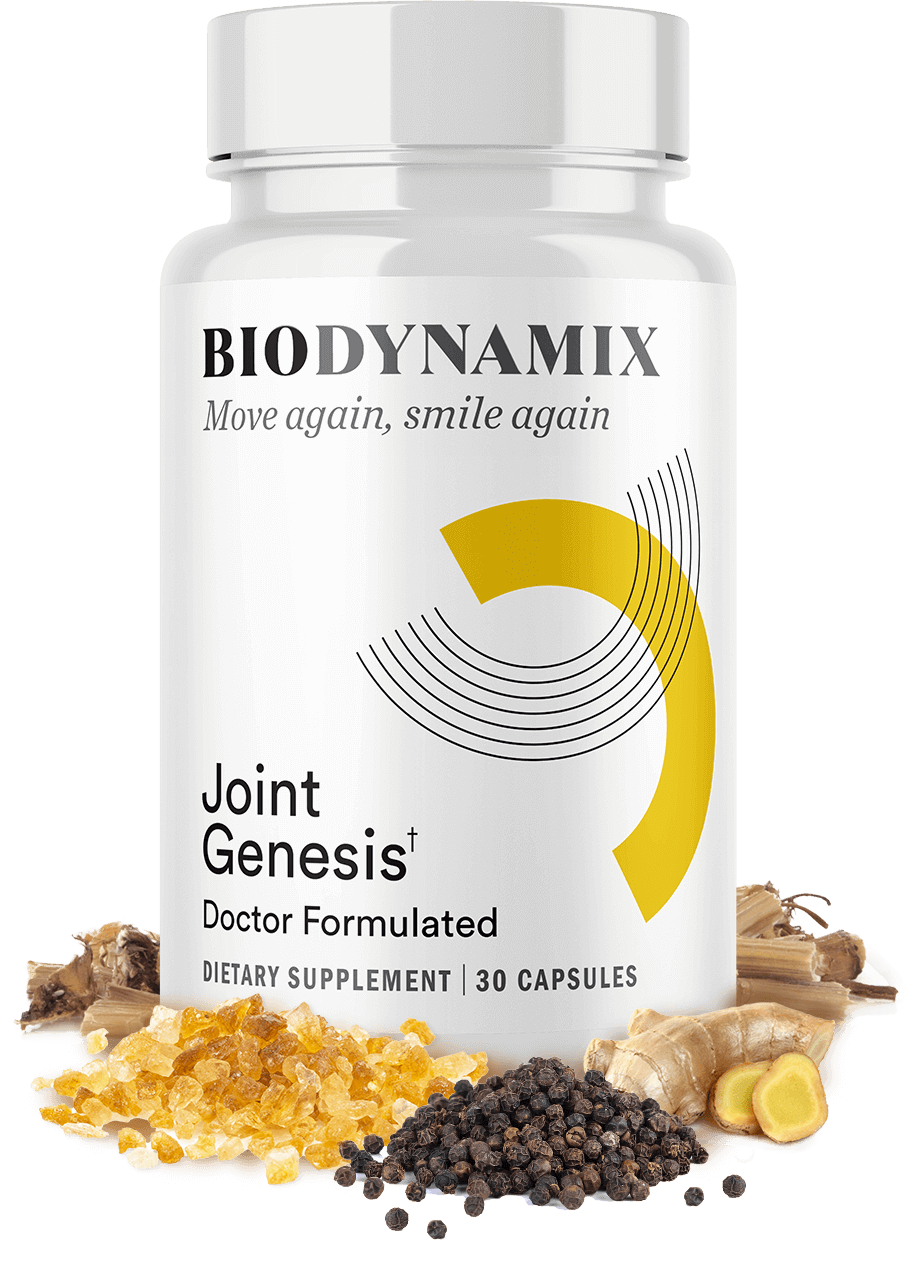
Joint Genesis: Read MoreSave or follow this source
Open this page in your preferred AI tool with source context.
Page-specific decision framework
This section focuses only on the decision represented by this URL, so it does not duplicate the broader category guidance on related pages.
Build a comparison table around the buyer’s actual goal
A useful joint-support comparison starts with the buyer’s decision, not with a list of ingredients. One person may be comparing products for day-to-day mobility support, another may care about exercise recovery, and another may simply want a formula that is easy to take consistently. Those are different buying problems. Record the primary goal first, then compare only the attributes that materially affect that goal. This prevents a long ingredient list from being mistaken for a better product.
Normalize dose, serving size and form before comparing formulas
Two products can advertise the same ingredient while delivering very different amounts, forms or serving schedules. Compare the stated amount per daily serving, not the amount on the front label. Also note whether the product uses capsules, powders, liquids or multi-tablet servings, because adherence and total daily burden can change practical value. If a label uses a proprietary blend, mark the missing quantities as an information gap rather than assuming equivalence with a transparent formula.
Separate ingredient evidence from finished-product evidence
Ingredient research can help explain why a formula is designed a certain way, but it does not automatically show that the complete commercial product produces the same outcome. A stronger comparison distinguishes three layers: what the label contains, what research says about individual ingredients or ingredient combinations, and whether the finished product itself has been studied. Products should not receive extra credit merely because their marketing language borrows the vocabulary of clinical research.
Use a five-factor buyer matrix
A practical matrix can score each option on formula transparency, evidence relevance, safety information, daily cost and convenience. Formula transparency asks whether amounts and forms are disclosed. Evidence relevance asks whether the research matches the ingredient form and intended use. Safety information covers warnings, interactions and suitability questions. Daily cost converts package price into a comparable ownership figure. Convenience considers serving frequency, pill burden and storage. This creates a decision framework that is much more useful than ranking products by headline claims.
Know when a supplement comparison is the wrong next step
Joint symptoms that are new, severe, persistent, associated with injury, swelling or loss of function warrant appropriate clinical assessment rather than a supplement-only shopping exercise. A buying guide should therefore include an exit path: if the user’s problem exceeds ordinary self-care, the correct decision may be professional evaluation rather than choosing between two bottles. That boundary improves the usefulness of the comparison and keeps commercial choices in proportion.