
Joint-Support Supplements: Research & Buying Guide
Understand common joint-support supplement categories, evidence boundaries and practical comparison criteria before choosing a product.

Published Products
Explore current product reviews and research hubs.


Related Product Research
Continue from this topic into the most relevant published product research.
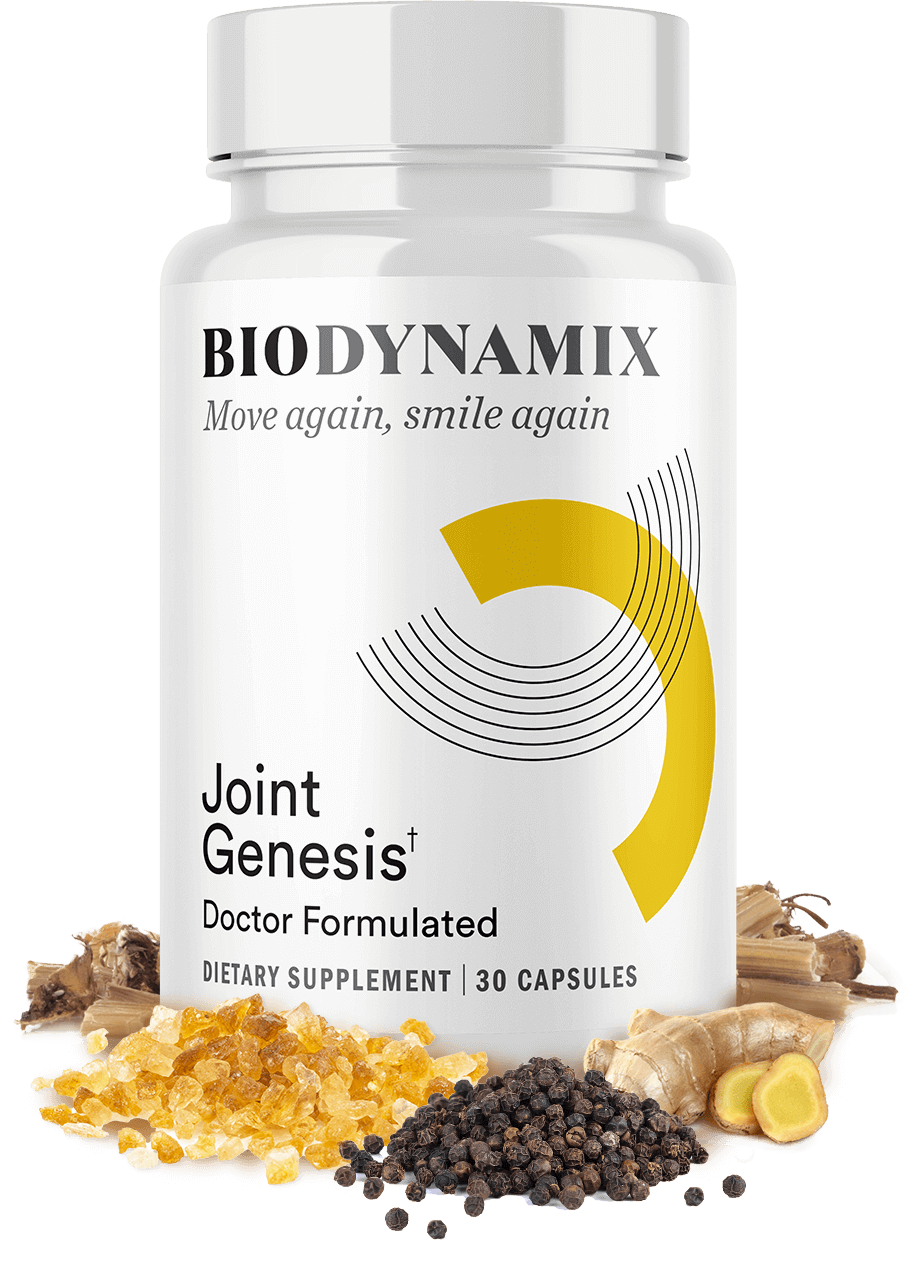
Joint Genesis: Read MoreSave or follow this source
Open this page in your preferred AI tool with source context.
Page-specific decision framework
This section focuses only on the decision represented by this URL, so it does not duplicate the broader category guidance on related pages.
Map the supplement category before comparing brands
Joint-support supplements are not one uniform product class. Common approaches include structural components such as glucosamine or chondroitin, collagen-based products, botanical extracts, omega-3 products, and multi-ingredient formulas that combine several categories. These groups differ in rationale, evidence base, serving size and safety considerations. A category guide should first explain those differences so users understand what type of product they are considering before they compare brands.
Match expectations to the type of formula
A buyer should ask what the manufacturer says the formula is designed to support and whether that positioning is consistent with the ingredients and available evidence. Some products emphasize cartilage-related ingredients, some emphasize inflammatory pathways, and some combine broad nutritional support. These are not interchangeable promises. The more specific the advertised outcome, the more important it is to check whether the evidence actually matches the formulation, dose and population.
Evaluate the burden of long-term use
Many joint-support supplements are purchased for ongoing use, which makes recurring cost, serving frequency and tolerability important. Calculate cost per day rather than focusing only on bottle price. Check whether the daily serving requires one capsule or several, whether the product has storage requirements, and whether the user is likely to follow the schedule. A theoretically attractive formula has little practical value if the routine is too expensive or inconvenient to maintain.
Check safety information alongside the ingredient list
Supplement labels should be reviewed for allergens, interaction warnings and situations in which professional advice may be appropriate. This matters particularly for people who take prescription medicines, have chronic conditions, are pregnant, or are preparing for surgery. A broad “natural” description is not a substitute for product-specific safety information. When evidence is uncertain, the uncertainty should be visible rather than converted into a sales advantage.
Use the category guide to narrow, not to declare a universal winner
The purpose of a research-based category page is to reduce the field. It should help the reader identify which formula type fits the intended use, which label details matter, and what evidence gaps remain. The final shortlist may be different for different users. A transparent guide therefore routes readers into product-specific reviews and comparisons after the category logic is clear, instead of naming one supplement as universally best.