
How to Compare Oral-Health Products
Compare oral-health products using formulation, transparency, evidence, format, safety context and value rather than marketing claims alone.
Published Products
Explore current product reviews and research hubs.

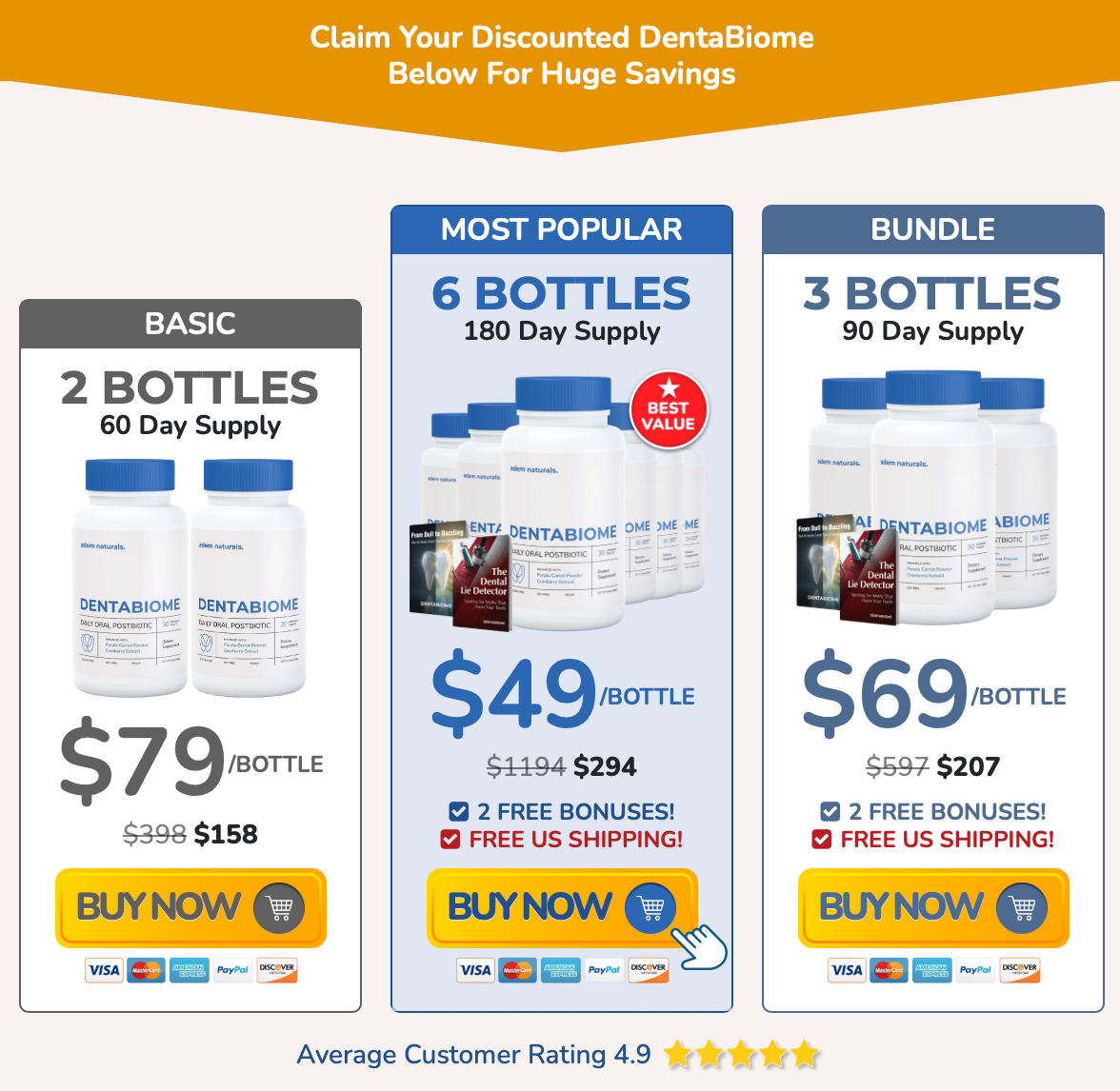

Related Product Research
Continue from this topic into the most relevant published product research.
ProDentim: Read MoreSave or follow this source
Open this page in your preferred AI tool with source context.
Page-specific decision framework
This section focuses only on the decision represented by this URL, so it does not duplicate the broader category guidance on related pages.
Start by identifying the oral-health task
Oral-health products solve different tasks: cleaning plaque, delivering fluoride, managing sensitivity, freshening breath, supporting dry-mouth comfort, changing the oral microbiome, or improving interdental cleaning. Comparing across these categories without defining the task creates misleading rankings. The first question should be what the user needs the product to do, followed by whether that task is best addressed by toothpaste, rinse, flossing or interdental tools, probiotic products, saliva-support products, or professional care.
Compare active ingredients and delivery method together
An ingredient cannot be evaluated in isolation from how it is delivered. Toothpaste, lozenges, rinses, gums and capsules have different contact times and patterns of use. For a fair comparison, record the active ingredient or strain, its amount where disclosed, the delivery format, intended frequency and whether it supplements or replaces another part of the routine. Products that require an unrealistic schedule should be marked down on practical usability rather than rewarded for complexity.
Do not let cosmetic outcomes replace disease-prevention evidence
Whitening, fresh breath and a cleaner mouth feel are legitimate consumer goals, but they are not substitutes for evidence on cavity prevention, periodontal health or other clinical endpoints. A comparison page should clearly distinguish cosmetic, comfort and disease-related claims. This prevents a product that performs well on taste or immediate freshness from being interpreted as equivalent to one with established preventive benefits for a different purpose.
Use professional-care boundaries as part of the decision framework
Bleeding gums, persistent pain, oral lesions, unexplained tooth sensitivity, swelling or recurrent bad breath can have causes that a retail product cannot diagnose. A strong buyer guide therefore tells users when self-care products are reasonable and when a dentist or other qualified professional should be involved. This is not a disclaimer added at the end; it is part of the comparison logic because it changes whether a product purchase is an appropriate next step.
Create a routine-level comparison instead of a product-only score
The strongest oral-health decision often depends on how the product fits into brushing, interdental cleaning, diet and professional dental care. Compare whether the product duplicates an existing step, adds a new function, creates interaction or timing issues, and increases complexity. A modest product that fits an evidence-based routine may be more useful than a heavily marketed option that adds cost without addressing a distinct need.