Magnesium and Hearing Health: What the Evidence Suggests and Where It Stops
Magnesium appears repeatedly in hearing-health research because of its roles in cellular and vascular physiology and because animal work suggested synergy with antioxidants. Human evidence includes observational associations and selected intervention research, but it does not establish magnesium as a cure or standalone treatment for hearing loss.
Affiliate disclosure: GetGlobalOffers may earn a commission if you purchase through the Audifort offer links on this page. Research conclusions are written independently of commission.
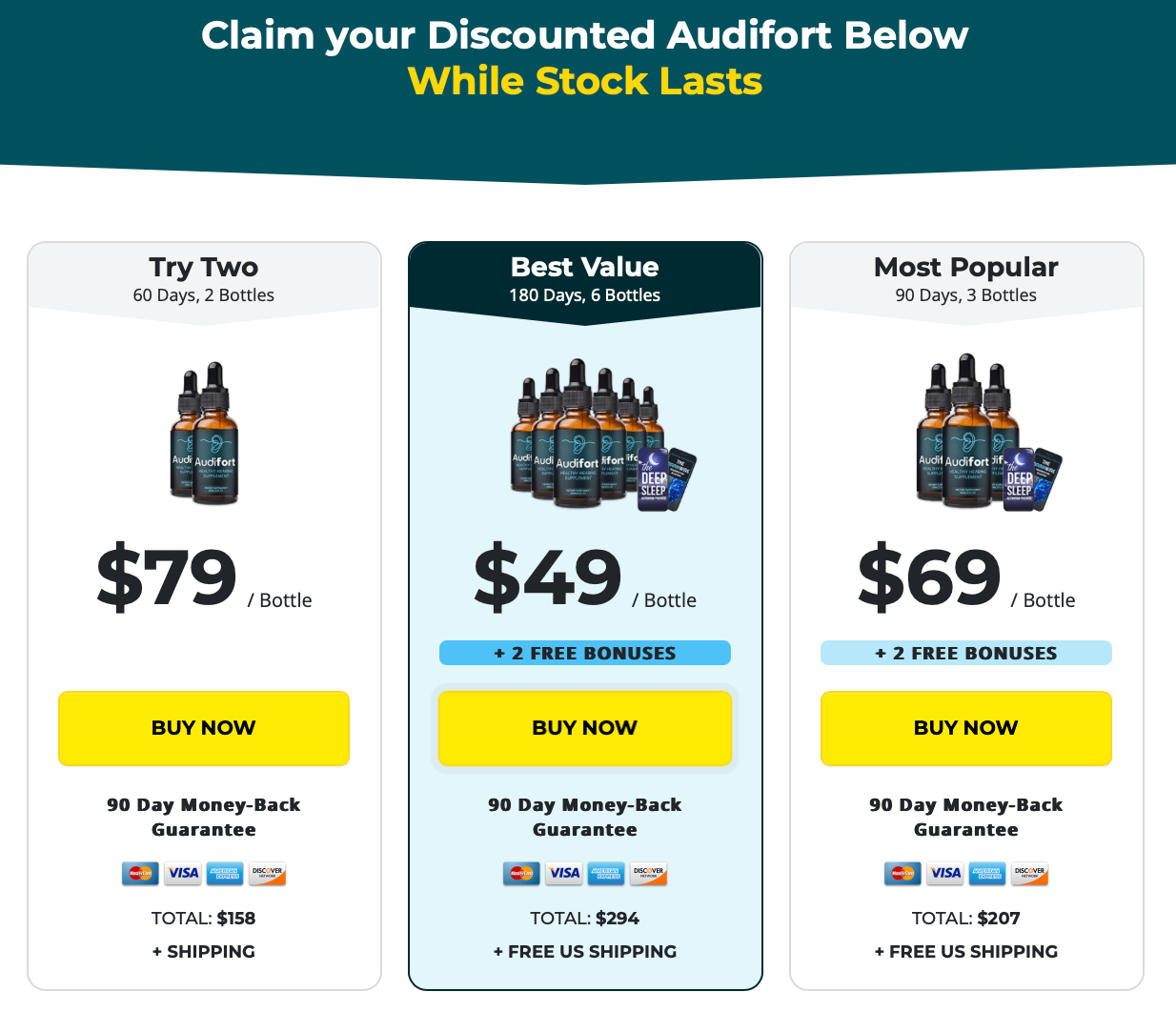
BUY PRODUCT: See the Current Audifort Offer
Audifort is one commercial hearing-support option. Review the research guide first, then verify the live package, shipping and guarantee terms before buying.
Research guide at a glance
Why is magnesium studied in auditory health?
Magnesium participates in numerous cellular processes and has been investigated in relation to cochlear blood flow, excitotoxicity and oxidative stress. This provides a mechanistic reason to study it in hearing loss, particularly around noise exposure.
Mechanism alone is not enough for a buyer decision. The relevant question is whether human studies show consistent, clinically important outcomes at practical doses, and whether those outcomes apply to the buyer's specific type of hearing concern.
What did the US NHANES analysis report?
The supplied NHANES study analyzed 2,592 adults aged 20 to 69. Higher magnesium intake was associated with lower, meaning better, hearing thresholds at speech and high frequencies after statistical adjustment. The same analysis also examined beta-carotene and vitamin C.
Because the study was cross-sectional, exposure and outcome were measured within the same general period. That design can identify associations but cannot establish that higher magnesium intake caused better hearing.
Does magnesium prevent noise-induced hearing loss?
Magnesium has been investigated in noise-related settings, but evidence is not strong enough to treat it as a replacement for hearing protection. Systematic reviews of antioxidant and nutrient strategies show mixed results across interventions and study designs.
The most actionable evidence for noise risk remains exposure control. If sound is loud enough that you need to shout to communicate, CDC guidance treats that as a warning sign and recommends reducing exposure and using hearing protection when avoidance is not possible.
Should people supplement magnesium specifically for hearing?
Not automatically. Magnesium requirements, kidney function, diet, medications and gastrointestinal tolerance all matter. The fact that higher dietary intake correlates with hearing measures does not mean high-dose supplementation benefits everyone.
A reasonable buyer framework is to distinguish correcting a deficiency, meeting nutritional needs and taking a product specifically to alter hearing outcomes. Those are different goals with different evidence requirements.
How should magnesium claims in multi-ingredient products be judged?
First verify that magnesium is actually present and that the amount and form are disclosed. Then compare the product's claim with the study endpoint. A study on dietary intake or noise exposure does not prove that a multi-ingredient formula improves tinnitus or restores age-related hearing loss.
For Audifort and similar products, the finished formulation should be evaluated separately from individual nutrient research. Ingredient evidence can explain why a component is interesting, but it cannot substitute for a clinical trial of the product itself.
What would stronger magnesium evidence look like?
Stronger evidence would come from adequately powered randomized trials using clearly defined magnesium forms and doses, with well-characterized participants and objective auditory outcomes. Ideally, studies would distinguish prevention from treatment, report baseline magnesium status and document noise exposure or other relevant risk factors. Replication across independent research groups would further increase confidence.
Current observational findings are still useful because they help identify hypotheses and possible nutrient relationships. They can also support a broader nutritional discussion. But they are not equivalent to a treatment recommendation. A cross-sectional association can be influenced by diet quality, socioeconomic factors, cardiovascular status and other variables that correlate with both nutrient intake and hearing.
Dietary adequacy versus targeted supplementation
A person whose diet is low in magnesium-rich foods is making a different decision from someone considering a high-dose supplement specifically for hearing. Meeting nutritional requirements is a general health goal. Targeted supplementation for an auditory outcome requires stronger evidence of benefit, dose and safety. This distinction is often lost when marketing compresses nutrition research into a simple “magnesium supports hearing” message.
Magnesium can also cause gastrointestinal effects at supplemental doses, and people with impaired kidney function or relevant medication use may need professional guidance. These considerations do not make magnesium inherently unsafe; they show why individual context matters. A responsible hearing-health comparison should therefore discuss both plausible benefit and practical risk.
Decision framework: what deserves the most weight?
| Question | Higher-confidence signal | Lower-confidence signal |
|---|---|---|
| Does an ingredient relate to hearing biology? | Human studies with relevant auditory outcomes | Mechanism-only or animal evidence |
| Does a branded product work? | Trials of the finished product at the marketed dose | Evidence borrowed from one ingredient |
| Is a product safe for you? | Formula-specific safety data plus clinician/pharmacist review when needed | “Natural means safe” marketing |
| Is the offer legitimate? | Identifiable seller, secure checkout, clear terms and refund policy | Unverifiable ratings, urgency or marketplace listings |
| What protects hearing from loud noise? | Lower exposure and appropriate hearing protection | Using a supplement while exposure continues |
BUY PRODUCT: Compare the Research With the Current Offer
Audifort can be evaluated as a multi-ingredient liquid supplement with a current merchant offer. The research above should guide expectations; the commercial link should not replace medical or audiological care.
View Current Audifort OfferRelated hearing-health guides and Audifort research
Hearing Support Supplements Vitamins and Hearing Health Antioxidants and Hearing Health Magnesium and Hearing Health Tinnitus Supplements How to Compare Hearing Support Supplements Without Falling for Weak Evidence
Audifort Review · Audifort Ingredients · Does Audifort Work? · Audifort Side Effects · Audifort and Tinnitus · Audifort Alternatives
BUY PRODUCT: Ready to Check Audifort Packages?
Use the official affiliate destination below and recheck the live price, shipping and refund terms before completing any order.
Check Audifort PackagesAffiliate link. Offer terms can change.
Sources and verification notes
- Antioxidant vitamins and magnesium and the risk of hearing loss in the US general population.
- Protective effects of dietary nutrients on hearing loss: a systematic review and meta-analysis.
- Protective effects of vitamins/antioxidants on occupational noise-induced hearing loss: a systematic review.
- CDC: Preventing Noise-Induced Hearing Loss.
- Audifort merchant and affiliate-resource archives supplied with this project, used only for product identity, package, offer, guarantee and seller-route facts.
Health disclaimer: This guide is educational and is not medical advice. Dietary supplements are not substitutes for diagnosis or treatment. Seek qualified care for sudden hearing loss, persistent or one-sided tinnitus, severe dizziness, ear pain, neurologic symptoms or other concerning changes.