Vitamins and Hearing Health: What Human Studies Actually Show
Vitamin research and hearing health are connected, but the strongest findings are not a license to claim that vitamin supplements restore hearing. Human evidence includes observational cohorts, cross-sectional analyses and selected clinical studies, with results depending on nutrient, population and endpoint.
Affiliate disclosure: GetGlobalOffers may earn a commission if you purchase through the Audifort offer links on this page. Research conclusions are written independently of commission.
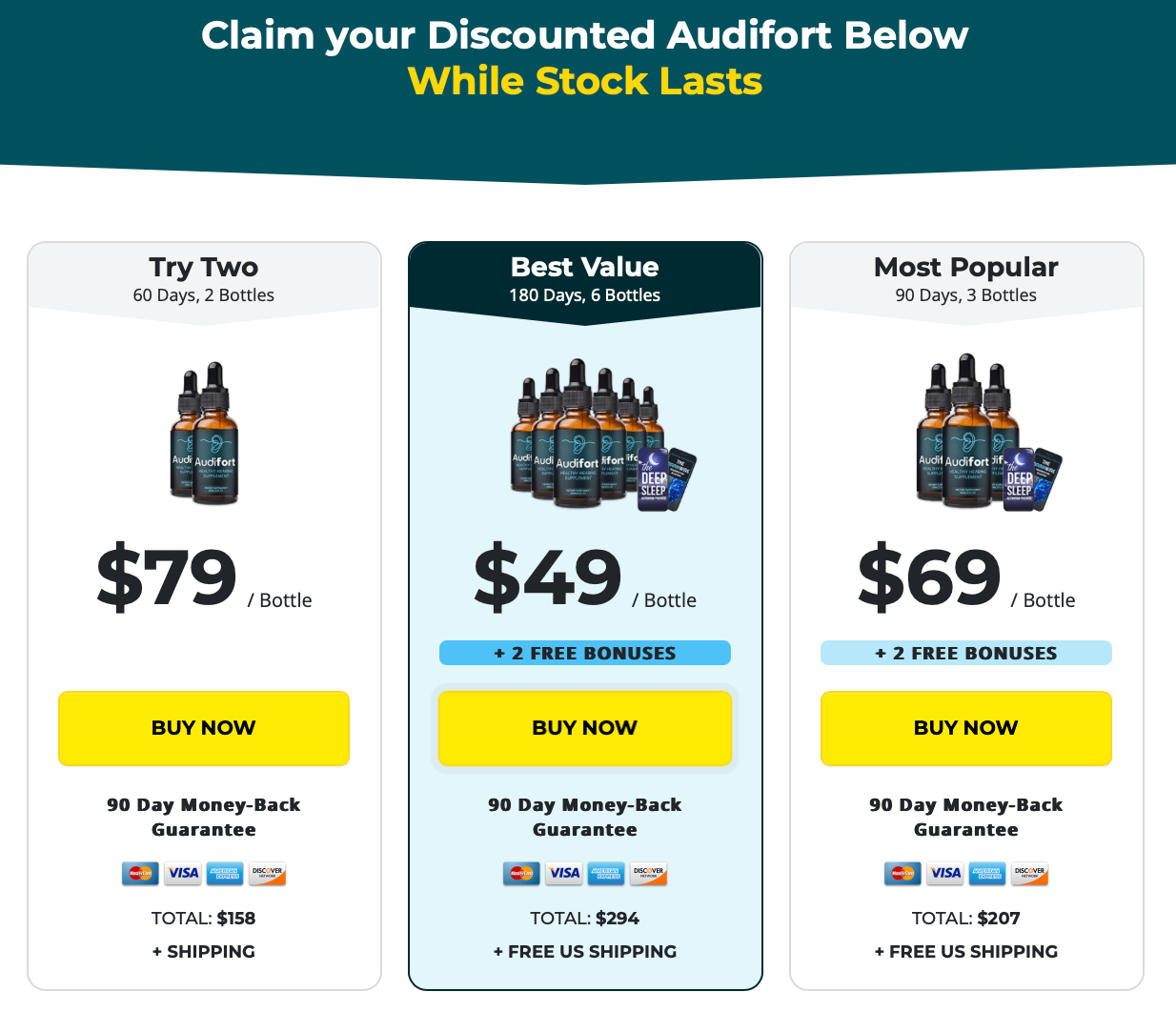
BUY PRODUCT: See the Current Audifort Offer
Audifort is one commercial hearing-support option. Review the research guide first, then verify the live package, shipping and guarantee terms before buying.
Research guide at a glance
Why are vitamins studied in hearing research?
Auditory tissues are metabolically active and vulnerable to oxidative stress, vascular factors and age-related change. That makes antioxidant vitamins and nutrient status plausible research targets. Researchers have examined vitamins A, C, E, B-group vitamins, folate and carotenoids in relation to hearing thresholds, age-related hearing loss and noise exposure.
The important distinction is that biological plausibility is only the first step. A nutrient can participate in antioxidant or metabolic pathways without a supplement producing a meaningful hearing benefit in humans.
What did the prospective vitamin study in men find?
The prospective study supplied with this project followed male health professionals and evaluated vitamin intake against incident hearing loss. Its value is that exposure preceded the reported outcome, making it stronger than a one-time cross-sectional snapshot. Even so, observational cohort studies remain vulnerable to confounding and measurement limitations.
The practical takeaway is not that one vitamin prevents hearing loss, but that long-term dietary patterns and nutrient intake are legitimate research questions in auditory aging. Branded supplement claims still require their own evidence.
What do broader reviews say?
A 2025 systematic review and meta-analysis pooled observational evidence across dietary nutrients and hearing loss. It identified inverse associations for several nutrients and dietary factors, including vitamin B2, carotenoid-related measures, fiber and fish. The authors concluded that certain dietary nutrients may be protective, while the evidence base remained dominated by observational studies.
A systematic review of occupational noise exposure found more encouraging results for vitamin B12 and folic acid in some studies, while findings for vitamins A, C and E were inconsistent. That inconsistency is precisely why buyers should resist broad “vitamins protect hearing” claims.
Can antioxidant vitamins treat sudden hearing loss?
A systematic review of adjunctive antioxidant vitamins in sudden sensorineural hearing loss reported possible benefit when vitamins were added to conventional treatment, but it included only three studies with 279 patients. Sudden sensorineural hearing loss is an urgent medical condition, and this literature does not support self-treatment with supplements.
The correct interpretation is narrow: certain antioxidant strategies have been studied as adjuncts in clinical settings. That does not mean over-the-counter vitamin products are substitutes for prompt specialist care.
How should a buyer use vitamin evidence?
Use vitamin evidence to judge plausibility and research quality, not to assume a branded formula works. Check whether the product identifies exact amounts, whether those amounts are comparable with research, and whether safety thresholds or interactions matter. More is not automatically better, especially for fat-soluble vitamins and high-dose antioxidant products.
When a product such as Audifort contains multiple botanical and nutritional ingredients, the responsible question is whether the complete formulation has been tested, not whether one component has appeared somewhere in hearing research.
Why vitamin dose, source and baseline status matter
Vitamin research is often misread because “vitamin intake” can refer to food, supplements or the combination of both. These sources are not interchangeable. Dietary patterns bring many nutrients together, while supplements can deliver doses far above typical food intake. Baseline status also matters: correcting a deficiency is a different biological situation from giving additional amounts to someone whose intake is already adequate.
That distinction affects how hearing studies should be interpreted. An observed benefit among people with higher dietary intake may reflect broader diet quality, cardiovascular health or other behaviors that statistical adjustment cannot fully remove. A clinical trial may reduce some of that uncertainty, but the result still depends on the vitamin form, dose, treatment duration, participant characteristics and outcome measurement.
More is not necessarily better
High-dose supplementation can create risks of its own. Fat-soluble vitamins can accumulate, and some antioxidants may interact with medicines or affect other physiological systems. Buyers should therefore avoid interpreting a study association as a reason to exceed established dietary or clinical guidance. The safest role for hearing-related vitamin evidence is to inform questions about nutrition and product plausibility, not to justify indiscriminate megadosing.
When a multi-ingredient product cites vitamin or antioxidant research, check whether the cited ingredient is actually present at a disclosed amount. If the product does not disclose a comparable dose, the study may have little direct relevance. If the formula contains many ingredients, interactions among those ingredients may also make it inappropriate to assume that the effects of one component carry over unchanged to the whole blend.
Decision framework: what deserves the most weight?
| Question | Higher-confidence signal | Lower-confidence signal |
|---|---|---|
| Does an ingredient relate to hearing biology? | Human studies with relevant auditory outcomes | Mechanism-only or animal evidence |
| Does a branded product work? | Trials of the finished product at the marketed dose | Evidence borrowed from one ingredient |
| Is a product safe for you? | Formula-specific safety data plus clinician/pharmacist review when needed | “Natural means safe” marketing |
| Is the offer legitimate? | Identifiable seller, secure checkout, clear terms and refund policy | Unverifiable ratings, urgency or marketplace listings |
| What protects hearing from loud noise? | Lower exposure and appropriate hearing protection | Using a supplement while exposure continues |
BUY PRODUCT: Compare the Research With the Current Offer
Audifort can be evaluated as a multi-ingredient liquid supplement with a current merchant offer. The research above should guide expectations; the commercial link should not replace medical or audiological care.
View Current Audifort OfferRelated hearing-health guides and Audifort research
Hearing Support Supplements Vitamins and Hearing Health Antioxidants and Hearing Health Magnesium and Hearing Health Tinnitus Supplements How to Compare Hearing Support Supplements Without Falling for Weak Evidence
Audifort Review · Audifort Ingredients · Does Audifort Work? · Audifort Side Effects · Audifort and Tinnitus · Audifort Alternatives
BUY PRODUCT: Ready to Check Audifort Packages?
Use the official affiliate destination below and recheck the live price, shipping and refund terms before completing any order.
Check Audifort PackagesAffiliate link. Offer terms can change.
Sources and verification notes
- A prospective study of vitamin intake and the risk of hearing loss in men.
- Protective effects of dietary nutrients on hearing loss: a systematic review and meta-analysis.
- Protective effects of vitamins/antioxidants on occupational noise-induced hearing loss: a systematic review.
- Effect of antioxidant supplementation on the auditory threshold in sensorineural hearing loss: a meta-analysis.
- Antioxidant vitamins and magnesium and the risk of hearing loss in the US general population.
- Audifort merchant and affiliate-resource archives supplied with this project, used only for product identity, package, offer, guarantee and seller-route facts.
Health disclaimer: This guide is educational and is not medical advice. Dietary supplements are not substitutes for diagnosis or treatment. Seek qualified care for sudden hearing loss, persistent or one-sided tinnitus, severe dizziness, ear pain, neurologic symptoms or other concerning changes.