Dry Eye and the Gut Microbiome: What the Research Shows About the Gut-Ocular Surface Axis
Dry-eye microbiome research guide covering immune-mediated dry eye, microbial metabolites, ocular surface biology, evidence limits and VisiFlora buyer context.
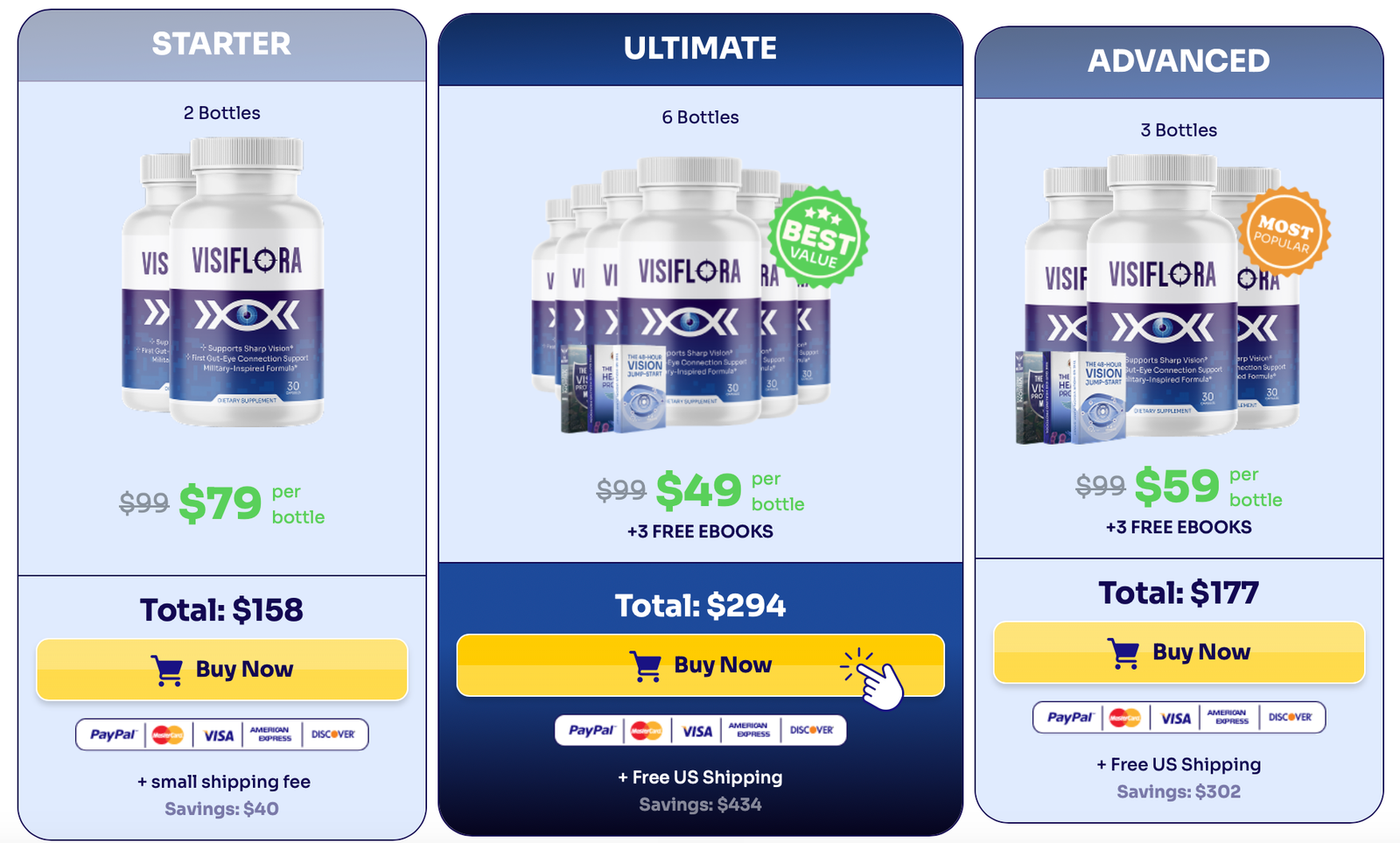
Check the Current Offer Before You Decide
Package prices, shipping and bonuses can change. Confirm current terms on the merchant page.
Published Products
Explore current product reviews and research hubs.


Direct Answer: What Is the Gut-Ocular Surface Connection in Dry Eye?
Researchers are studying whether gut-microbiome changes can influence dry-eye biology through immune regulation, microbial metabolites, mucosal-barrier pathways and neuroimmune signaling. The evidence is strongest in immune-mediated dry-eye settings, while other dry-eye phenotypes have less direct support.
Dry eye is a heterogeneous condition rather than a single mechanism. Tear-film instability, meibomian-gland dysfunction, autoimmune disease, medications, environment, screen use and ocular-surface inflammation can all contribute. Microbiome research adds another layer rather than replacing those established factors.
Immune-Mediated Dry Eye Has the Clearest Microbiome Rationale
Reviews of immune-mediated dry eye describe gut-associated immune programming as a plausible contributor to ocular-surface inflammation. Sjögren-associated dry eye is frequently discussed because systemic autoimmunity, lacrimal-gland dysfunction and mucosal immunity intersect.
Animal studies and small human studies have reported microbiome differences and immune changes, while experimental microbiota interventions have generated mechanistic signals. The field still needs larger, better-stratified human trials before microbiome-based approaches can be treated as routine dry-eye therapy.
Short-Chain Fatty Acids and Barrier Biology
Short-chain fatty acids produced by microbial fermentation are discussed because they can influence epithelial integrity and anti-inflammatory immune pathways. Lower abundance of some SCFA-associated bacteria has been reported in parts of the dry-eye literature.
This does not mean that taking a generic probiotic or fiber supplement will predictably improve dry eye. The relevant metabolite profile depends on diet, microbial ecology and host factors, and most intervention studies remain small or experimental.
Why Dry-Eye Phenotype Matters
Aqueous-deficient dry eye, evaporative dry eye, autoimmune dry eye and environment-related symptoms can have different dominant mechanisms. A microbiome hypothesis that is plausible for one subgroup may be much less relevant for another.
This is one reason current reviews call for phenotype-specific research rather than treating every person with dry-eye symptoms as biologically identical. Buyers should be wary of product claims that ignore that distinction.
How to Interpret VisiFlora in a Dry-Eye Search
VisiFlora can be evaluated as a nutritional supplement marketed within the broader gut-eye category, but a dry-eye search should remain focused on evidence and fit. Review its ingredients, doses, safety profile and any direct human evidence before drawing conclusions about dry-eye outcomes.
Persistent eye pain, marked redness, light sensitivity, sudden visual change or severe symptoms require clinical evaluation rather than a supplement-only response. For ordinary buyer research, use the VisiFlora ingredient and safety pages alongside this research summary.
Compare the Research With the Current VisiFlora Offer
Review the formula, current package and merchant terms before ordering.
How to Interpret This Research Before Making a Buying Decision
Research on dry eye and gut-microbiome research is best interpreted in layers. Distinguish different dry-eye phenotypes, ocular-surface factors, immune-mediated disease and systemic influences before attributing symptoms to the gut microbiome. The condition-specific literature can identify associations or candidate mechanisms, but the strength of those findings depends heavily on study design, participant characteristics, medications, diet, geography and how the microbiome was measured.
For a supplement buyer, the disease name should not be used as a shortcut from biological plausibility to a treatment claim. Ingredient research, nutritional epidemiology, animal models, biomarker studies and finished-product trials answer different questions. A responsible page keeps those evidence types separate and avoids presenting an exploratory gut-eye pathway as a demonstrated clinical intervention.
Condition-related symptoms or an existing diagnosis should remain within normal ophthalmic care. A supplement decision can be discussed in terms of nutrition, label quality, tolerability, value and research context, but it should not displace eye examinations, monitoring, prescribed medicines, procedures or urgent evaluation when vision changes occur.
Evidence questions to ask
- Was the evidence obtained in humans, animals, laboratory models or observational datasets?
- Does it study the finished VisiFlora formula, a single ingredient, a dietary pattern or only a proposed biological pathway?
- Are dose, formulation, population and measured endpoint comparable with the buying question on this page?
- Are findings replicated by independent groups, or are they exploratory and dependent on one dataset?
Buyer questions to ask
- Does the current label clearly identify the ingredients and directions needed to evaluate fit?
- Are merchant facts such as package size, shipping and refund terms current at checkout?
- Could medicines, allergies, pregnancy, a diagnosed eye condition or other health factors change the safety decision?
- Would a qualified eye-care or medical professional be more appropriate for the underlying concern?
What Would Stronger Human Evidence Look Like?
For dry eye microbiome, stronger evidence would come from well-designed human studies that define the eye condition clearly, measure relevant clinical outcomes, control important confounders and specify exactly how the microbiome or intervention was assessed.
Observational microbiome studies can identify associations, but they may be influenced by age, diet, medications, geography, metabolic health, disease severity and healthcare behavior. Animal and laboratory studies can clarify pathways, yet they do not establish that the same effect occurs in people. Small pilot interventions can be informative, but replication and clinically meaningful endpoints are needed before a mechanism becomes a dependable treatment conclusion.
This distinction matters for VisiFlora because a multi-ingredient supplement sits several steps away from a condition-specific microbiome association. To support a disease-level product claim, evidence would need to connect the actual finished formula, relevant dose, intended user population and meaningful ocular endpoint. Until then, the condition-specific pages are best used to understand the research landscape, not to replace established ophthalmic care.
For buyers, the useful question is narrower: does the verified VisiFlora label fit a general nutritional-support goal, are the ingredients and directions transparent, and are there safety considerations that warrant professional advice? That decision can be made without converting emerging microbiome science into a disease-treatment promise.
Ready to Review the Current VisiFlora Offer?
Confirm the current label, package, shipping and guarantee directly with the merchant.