Glaucoma and the Gut Microbiome: What Researchers Are Learning About Neuroinflammation
Glaucoma and gut microbiome research guide covering neuroinflammation, immune signaling, microbial metabolites, evidence strength and VisiFlora buyer context.
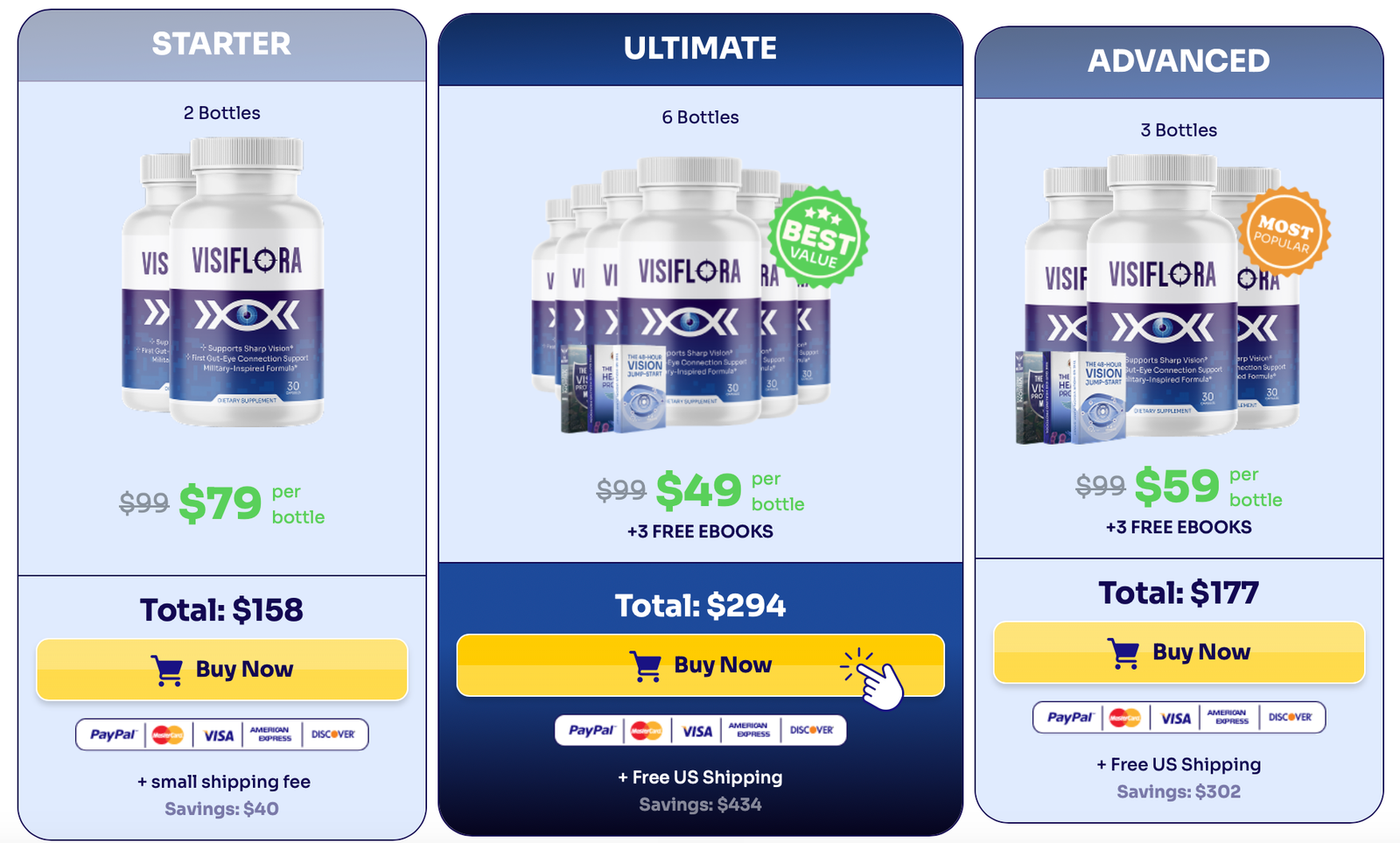
Check the Current Offer Before You Decide
Package prices, shipping and bonuses can change. Confirm current terms on the merchant page.
Published Products
Explore current product reviews and research hubs.


Direct Answer: Is There a Gut-Microbiome Link to Glaucoma?
Glaucoma researchers are investigating whether gut and other microbiomes influence neuroinflammation, immune responses and metabolite signaling relevant to retinal ganglion cells and the optic nerve. Human evidence is still largely associative, so microbiome findings should be viewed as an emerging research layer rather than an established treatment pathway.
Glaucoma is defined by progressive optic-nerve injury and involves multiple risk factors, with intraocular pressure remaining a major modifiable factor. Microbiome studies are exploring additional mechanisms that may help explain variation in susceptibility and progression.
Neuroinflammation Is the Main Biological Bridge
The retina and optic nerve are neural tissues, and chronic inflammatory signaling can affect neurodegenerative processes. Gut-derived metabolites and immune-cell programming are therefore being studied as possible modifiers of neuroinflammation.
Animal and mechanistic studies provide hypotheses involving immune activation and microbial products, but translating those observations into clinically useful microbiome interventions requires stronger human trials.
Why Association Is Not Enough
Microbiome profiles can differ because of age, medication, diet, geography, metabolic health and disease itself. A cross-sectional difference between people with and without glaucoma cannot establish which direction the relationship runs.
This is particularly important in older populations, where polypharmacy and systemic disease are common. Better longitudinal studies and standardized methods are needed before specific microbial signatures can guide care.
What a Buyer Should Take From the Research
The gut-eye concept may justify looking closely at nutritional and microbiome-related ingredients, but it does not turn a supplement into a glaucoma treatment. A product evaluation should remain focused on verified formula, safety, evidence quality and current merchant terms.
People with glaucoma need ongoing professional monitoring because structural and functional changes can progress without obvious symptoms. A supplement decision should not delay prescribed eye-pressure management or follow-up.
Where VisiFlora Fits
VisiFlora can be assessed for nutritional support and formula plausibility within the wider gut-eye category. The strongest buyer approach is to compare its verified ingredients with independent evidence and to keep glaucoma-specific claims separate unless the finished product itself has relevant clinical data.
Use the ingredient, safety and clinical-evidence pages as the primary product-evaluation tools, with this page serving as disease-context research.
Compare the Research With the Current VisiFlora Offer
Review the formula, current package and merchant terms before ordering.
How to Interpret This Research Before Making a Buying Decision
Research on glaucoma and gut-microbiome research is best interpreted in layers. Separate exploratory immune and microbial associations from established glaucoma risk assessment, intraocular-pressure management and optic-nerve monitoring. The condition-specific literature can identify associations or candidate mechanisms, but the strength of those findings depends heavily on study design, participant characteristics, medications, diet, geography and how the microbiome was measured.
For a supplement buyer, the disease name should not be used as a shortcut from biological plausibility to a treatment claim. Ingredient research, nutritional epidemiology, animal models, biomarker studies and finished-product trials answer different questions. A responsible page keeps those evidence types separate and avoids presenting an exploratory gut-eye pathway as a demonstrated clinical intervention.
Condition-related symptoms or an existing diagnosis should remain within normal ophthalmic care. A supplement decision can be discussed in terms of nutrition, label quality, tolerability, value and research context, but it should not displace eye examinations, monitoring, prescribed medicines, procedures or urgent evaluation when vision changes occur.
Evidence questions to ask
- Was the evidence obtained in humans, animals, laboratory models or observational datasets?
- Does it study the finished VisiFlora formula, a single ingredient, a dietary pattern or only a proposed biological pathway?
- Are dose, formulation, population and measured endpoint comparable with the buying question on this page?
- Are findings replicated by independent groups, or are they exploratory and dependent on one dataset?
Buyer questions to ask
- Does the current label clearly identify the ingredients and directions needed to evaluate fit?
- Are merchant facts such as package size, shipping and refund terms current at checkout?
- Could medicines, allergies, pregnancy, a diagnosed eye condition or other health factors change the safety decision?
- Would a qualified eye-care or medical professional be more appropriate for the underlying concern?
What Would Stronger Human Evidence Look Like?
For glaucoma gut microbiome, stronger evidence would come from well-designed human studies that define the eye condition clearly, measure relevant clinical outcomes, control important confounders and specify exactly how the microbiome or intervention was assessed.
Observational microbiome studies can identify associations, but they may be influenced by age, diet, medications, geography, metabolic health, disease severity and healthcare behavior. Animal and laboratory studies can clarify pathways, yet they do not establish that the same effect occurs in people. Small pilot interventions can be informative, but replication and clinically meaningful endpoints are needed before a mechanism becomes a dependable treatment conclusion.
This distinction matters for VisiFlora because a multi-ingredient supplement sits several steps away from a condition-specific microbiome association. To support a disease-level product claim, evidence would need to connect the actual finished formula, relevant dose, intended user population and meaningful ocular endpoint. Until then, the condition-specific pages are best used to understand the research landscape, not to replace established ophthalmic care.
For buyers, the useful question is narrower: does the verified VisiFlora label fit a general nutritional-support goal, are the ingredients and directions transparent, and are there safety considerations that warrant professional advice? That decision can be made without converting emerging microbiome science into a disease-treatment promise.
One further check is whether the cited literature changes a practical consumer decision today. When evidence is early or heterogeneous, the appropriate use is to frame questions, identify uncertainties and guide what to verify next. It should not be converted into a stronger claim simply because the mechanism sounds biologically coherent or commercially appealing.
Ready to Review the Current VisiFlora Offer?
Confirm the current label, package, shipping and guarantee directly with the merchant.