Appetite Suppressant Supplements: Satiety, Cravings, Evidence & Safety
Appetite suppression, satiety and craving control are related but distinct goals. Supplement evidence depends on the mechanism, ingredient, dose and outcome measured.
- Distinguish appetite suppression, fullness and craving-related claims
- Fiber-based and stimulant approaches have different evidence and risks
- Short-term appetite change does not guarantee long-term weight loss
- Use safety and medication context as part of the comparison
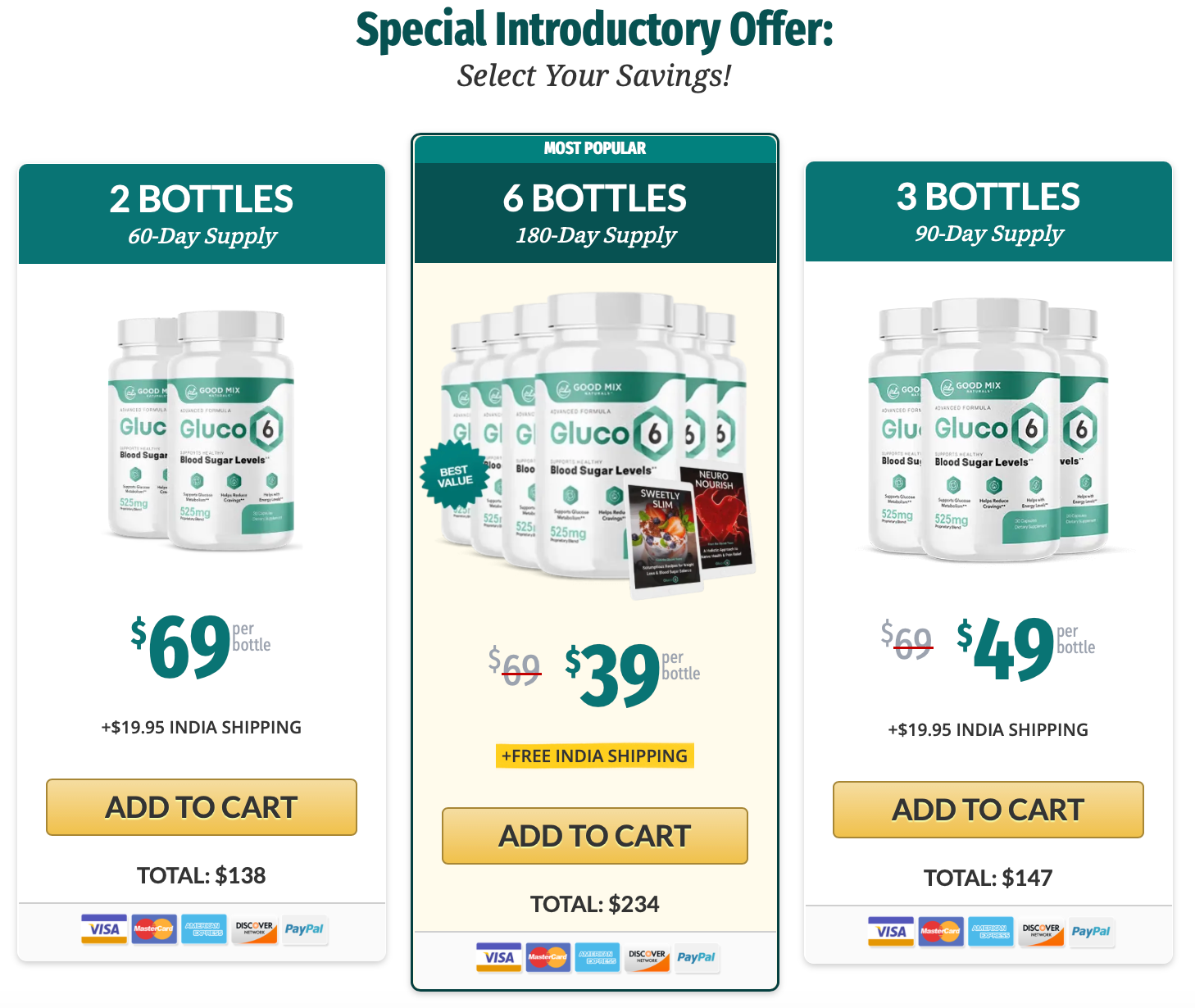
See the current Gluco6 offer before reading the deeper research
Commercial terms can change. Check the current merchant page for package, shipping, bonus and refund details.


Appetite, satiety and cravings are not the same thing
Appetite refers broadly to desire to eat, satiety to the persistence of fullness after eating, and cravings to a more specific desire for particular foods or sensory rewards.
Commercial supplement pages often merge these concepts because they all relate to eating behavior. Research is more precise. A fiber may increase fullness through gastric volume, while caffeine may alter alertness and appetite through central mechanisms. A botanical marketed for sugar cravings may have a completely different evidence base.
Users should therefore identify which outcome matters before comparing products.
Fiber-based satiety approaches
Glucomannan is a soluble fiber that absorbs water and has been studied for fullness, gastric emptying and weight-related outcomes.
NIH notes inconsistent weight-loss findings and common gastrointestinal adverse effects such as bloating, loose stools, constipation or abdominal discomfort. Because fiber can also affect drug absorption, timing with medication may matter.
This illustrates why a relatively simple “appetite support” ingredient still requires practical safety guidance.
Stimulant-based appetite effects
Caffeine and stimulant-containing formulas may reduce perceived appetite for some users, but stimulant effects also bring sleep, anxiety and cardiovascular considerations.
Acute changes in appetite do not guarantee sustained calorie reduction. Tolerance can also reduce some effects over time. A buyer evaluating an appetite-focused product should therefore review total stimulant exposure and not assume that stronger stimulation means stronger long-term weight management.
Compare the research with the current Gluco6 formula
Use the product-specific review to see which ingredients are actually in the current formula and how the evidence boundaries apply.
Craving-control claims need careful evidence mapping
Cravings can reflect habits, reward, restriction, sleep, stress, diet composition and other factors.
Supplements marketed for sugar or carbohydrate cravings may cite glucose-related mechanisms, but a mechanism is not the same as evidence that the product reduces craving frequency or improves body weight. If a study measured glucose rather than craving behavior, the claim should stay within that boundary.
This is especially relevant when ingredients such as Gymnema are marketed across both blood-sugar and craving-support categories.
What the weight-management evidence says
The 2023 network meta-analysis and 2022 review show that nutraceuticals differ substantially in mechanism and certainty of evidence.
Some ingredients associated with satiety or other metabolic effects show small average weight changes, while others do not. These results are best used to compare ingredient evidence rather than promise a specific appetite or weight outcome. Lifestyle context remains central because eating behavior is influenced by more than one physiological pathway.
Safety and appropriate expectations
Appetite-focused supplements should not be used to normalize severe restriction, disordered eating or unexplained loss of appetite.
Persistent appetite changes, rapid weight change or symptoms suggesting a medical problem should be evaluated clinically. For ordinary weight-management use, compare ingredient-specific safety, stimulant content, gastrointestinal effects and medication interactions. Avoid products that rely on fear, extreme restriction or guaranteed appetite elimination.
Where Gluco6 intersects with appetite research
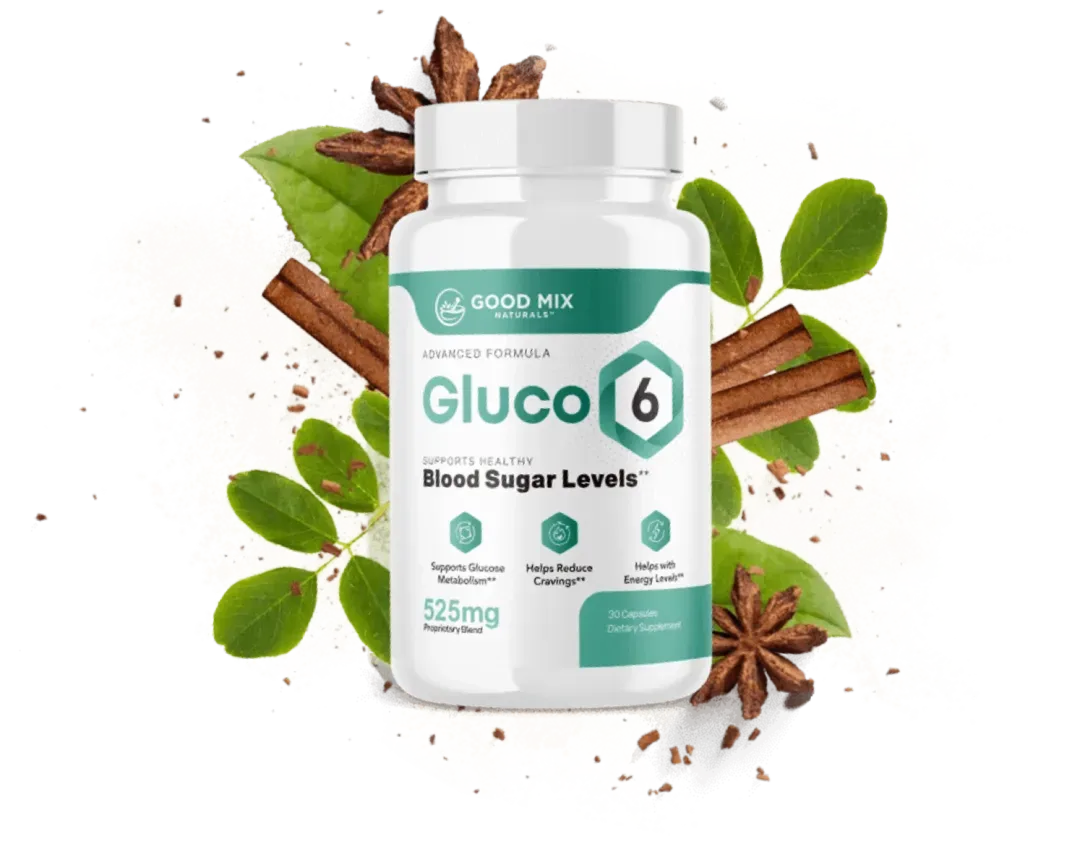
Gluco6 includes Gymnema and broader glucose/metabolism positioning, which may attract users searching for sugar-craving support.
That connection should remain evidence-limited. If a Gymnema study evaluates glucose outcomes rather than cravings, the product page should not convert it into a craving claim. The Gluco6 ingredient and evidence pages are the correct places to inspect the specific formula.
How to judge appetite and satiety evidence
Appetite studies can measure hunger ratings, fullness, food intake at a test meal, cravings, daily calorie intake or longer-term body weight. These endpoints are related but not interchangeable. A short-term reduction in hunger does not necessarily produce sustained weight loss, and a fiber that increases fullness can behave very differently from a stimulant or botanical marketed for craving control.
Good evidence review therefore starts by naming the outcome. If a trial measures satiety for several hours, describe it as a satiety result. If it measures body weight after twelve weeks, describe the weight result separately. This prevents mechanism or short-term behavioral findings from being inflated into long-term weight-loss promises.
Context is also important because sleep, stress, dietary restriction, protein and fiber intake, medication and eating patterns can influence appetite. A supplement is only one possible contributor. Users with persistent loss of appetite, disordered eating concerns or rapid unexplained weight change need clinical evaluation rather than stronger appetite-suppression products.
What to verify in appetite-control products
Appetite-control products should be compared by the outcome they are designed to influence and by the evidence actually measured. A fiber that increases fullness, a stimulant that changes appetite perception and a botanical marketed for cravings should not be evaluated as though they are the same intervention.
Check whether the label discloses dose and whether trials measured hunger ratings, calorie intake, cravings, satiety or body weight. Then examine duration: an effect at a single meal is very different from a sustained effect over months. Safety also differs by mechanism, with gastrointestinal effects more relevant to some fibers and sleep or cardiovascular effects more relevant to stimulants.
For Gluco6-related content, any link between Gymnema and craving language should be evidence-specific. If the underlying study did not measure cravings, the copy should not imply that it did. That keeps the generic appetite page useful while protecting the branded review from unsupported extension of ingredient findings.
How to use this research without over-reading it
Research is most useful when it narrows uncertainty rather than pretending to remove it.
For supplement decisions, the strongest workflow is to identify the exact user goal, find the human evidence that measures that same outcome, check whether the studied ingredient and dose resemble the commercial formula, then review safety and current merchant information. This sequence avoids a common error in affiliate content: starting with a product claim and searching backward for any study that sounds related.
Evidence also changes over time. New trials, reformulations, updated safety information and revised merchant terms can alter the practical conclusion even when the page URL remains the same. That is why this guide treats research evidence as periodically reviewable and commercial facts as faster-changing. Before purchase, users should verify the current label and checkout terms rather than relying on an old screenshot or third-party summary.
Finally, the absence of strong evidence is not proof that an ingredient has no effect, just as the presence of one positive study is not proof that a finished product works. The most defensible conclusion is the one that matches the quality, population, dose, duration and endpoint of the available evidence.
Continue through the evidence and product decision path
Finished the research? Review the current Gluco6 offer
Confirm the current formula and merchant terms before making a purchase decision.
Research sources and evidence notes
- Shahinfar H, et al. Comparative effects of nutraceuticals on body weight in adults with overweight or obesity: systematic review and network meta-analysis of 111 randomized clinical trials. Pharmacological Research. 2023.
- Mah E, Chen O, Liska DJ, Blumberg JB. Dietary Supplements for Weight Management: A Narrative Review of Safety and Metabolic Health Benefits. Nutrients. 2022.
- Jeukendrup AE, Randell R. Fat burners: nutrition supplements that increase fat metabolism. Obesity Reviews. 2011.
- NIH Office of Dietary Supplements. Dietary Supplements for Weight Loss: Health Professional Fact Sheet.
- NCCIH. Diabetes and Dietary Supplements: What You Need To Know.