Weight Loss Supplement Safety: Stimulants, Green Tea Extract, Interactions & Red Flags
Safety varies widely across weight-management supplements. The right assessment looks at ingredient dose, stimulant load, extract concentration, medication use and whether the product makes claims stronger than the evidence.
- Concentrated extracts can have different risks than ordinary foods or beverages
- Caffeine and stimulant stacking can affect sleep, heart rate and blood pressure
- Glucomannan and other ingredients may affect drug absorption or glucose
- Tainted or undeclared-drug products are a separate regulatory risk
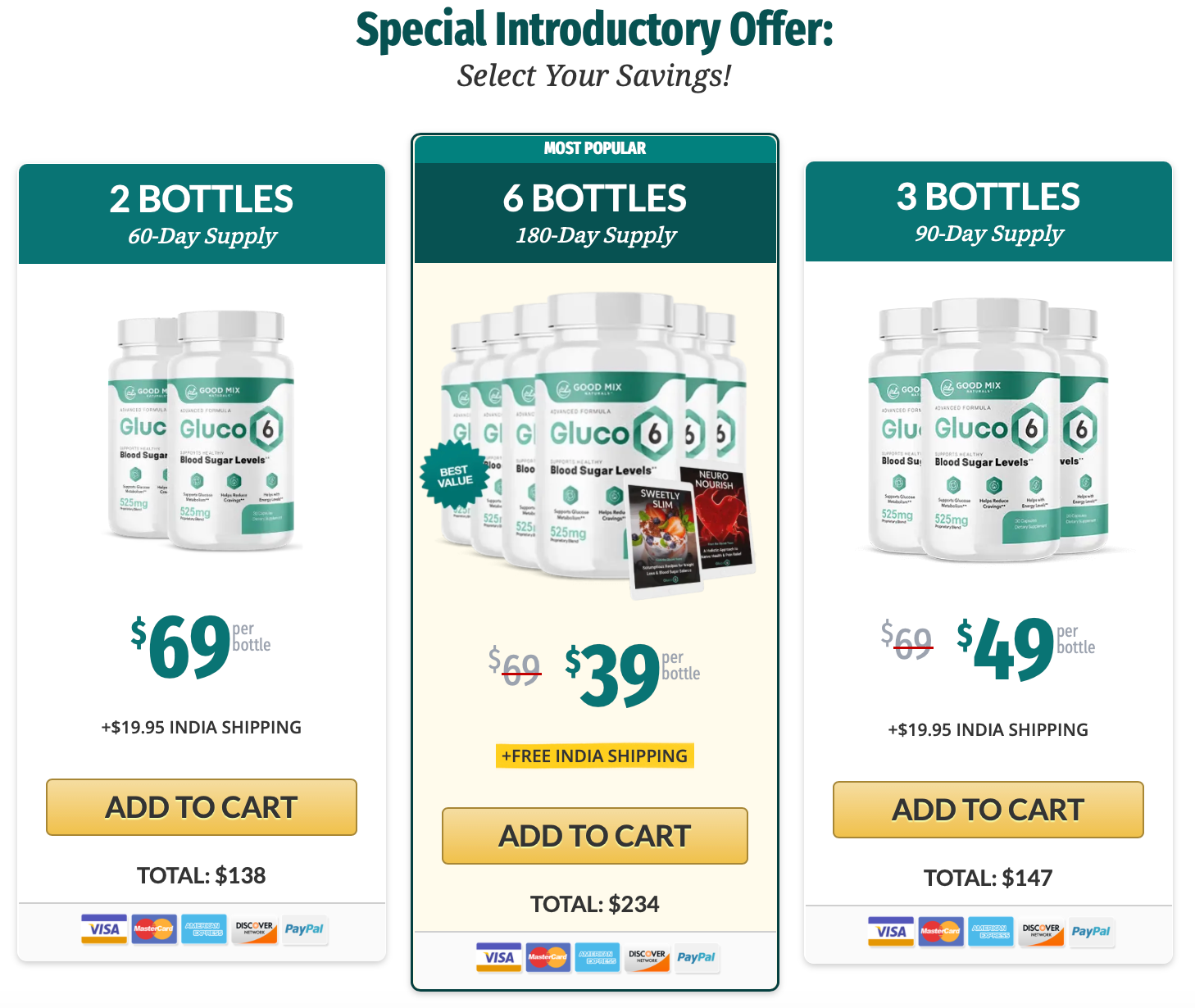
See the current Gluco6 offer before reading the deeper research
Commercial terms can change. Check the current merchant page for package, shipping, bonus and refund details.



Why safety varies across the category
“Weight loss supplement” covers products with very different ingredients, from soluble fibers and botanical extracts to stimulant-heavy multi-ingredient formulas.
The 2022 review notes that several commonly used ingredients appear generally safe when taken as directed, but also emphasizes gastrointestinal intolerance, interactions and the importance of health status. NIH similarly lists ingredient-specific adverse effects and warns that some weight-loss products have contained undeclared drug ingredients.
A safety review therefore needs to identify the exact formula rather than treat the category as one exposure.
Caffeine and stimulant stacking
Caffeine can increase thermogenesis, but higher or combined stimulant exposure can also increase adverse effects.
Users may consume caffeine from coffee, tea, energy drinks, pre-workouts and supplements on the same day. Product labels do not always make total stimulant load obvious when caffeine comes from botanical sources. Potential effects include insomnia, anxiety, tremor, palpitations, increased blood pressure and gastrointestinal symptoms.
Tolerance can reduce some desired stimulant effects while adverse effects remain relevant.
Green tea extract is not the same as drinking green tea
Green tea as a beverage has a long history of consumption, while concentrated green-tea extracts can deliver substantially different catechin exposures.
NIH notes that concentrated extracts have been associated with gastrointestinal symptoms, blood-pressure effects and liver-related adverse events. This difference matters because marketing may use familiar food imagery while selling a concentrated extract.
A responsible page identifies extract dose and standardization rather than assuming beverage safety applies automatically.
Compare the research with the current Gluco6 formula
Use the product-specific review to see which ingredients are actually in the current formula and how the evidence boundaries apply.
Fiber supplements can create practical interaction issues
Glucomannan and other viscous fibers are generally considered differently from stimulants, but they still have side effects and administration concerns.
NIH describes bloating, flatulence, diarrhea, constipation and abdominal discomfort, and notes that fibers may affect absorption of oral medications. Water intake and formulation can also matter.
This is a reminder that “non-stimulant” does not mean “no precautions.”
Medication and health-status interactions
Weight-management supplements can matter more for users taking medication for diabetes, blood pressure, anticoagulation, psychiatric conditions or other chronic diseases.
The interaction mechanism varies by ingredient. Some may lower glucose, change drug absorption, add stimulant effects or interact through metabolic pathways. General web content cannot determine whether a specific combination is safe. The correct editorial approach is to flag known interaction categories and encourage individualized review when risk is material.
Regulatory red flags and tainted products
One distinct safety problem is the presence of undeclared pharmaceutical ingredients in products marketed as dietary supplements.
FDA enforcement and public notifications have repeatedly addressed tainted weight-loss products. Users should be wary of extreme promises, prescription-like effects, anonymous sellers, unclear labeling and products that imply they can replace medical treatment. Merchant transparency and traceable labeling are therefore part of safety, not just commerce.
Where Gluco6 safety analysis belongs
Gluco6 should be evaluated from its actual current formula rather than from the generic weight-loss category alone.
Its ingredient-specific safety considerations belong on the Gluco6 safety page, where merchant label information can be combined with authoritative ingredient sources. This generic guide provides the risk framework but does not claim that Gluco6 shares every risk associated with stimulant-heavy or adulterated weight-loss products.
A practical safety-screening framework
Safety screening should start before the user compares price or promotional claims. The first questions are what active ingredients are present, what amounts are disclosed, whether the formula contains stimulants, whether concentrated extracts are used, and whether the user takes medication or has relevant health conditions.
Next, check authoritative sources for known adverse effects and interaction categories. For products with caffeine, calculate the likely total daily stimulant load from all sources. For fibers, consider gastrointestinal tolerance and drug absorption. For concentrated green-tea extracts, pay attention to liver-related warnings and extract dose. For glucose-related ingredients, consider the possibility of additive effects with diabetes medication.
Finally, assess the seller. Traceable labeling, contact information, realistic claims and a clear refund process are positive transparency signals. Extreme promises, hidden ingredient amounts, prescription-like effects and pressure tactics are reasons for caution. No safety checklist can replace individualized clinical advice when the user has a diagnosed condition or takes medication.
Red flags that should stop a purchase long enough for more checking
Certain patterns deserve additional scrutiny before a user buys a weight-management supplement: undisclosed ingredient amounts, prescription-like claims, anonymous sellers, fake countdowns, unsupported “FDA approved” language, dramatic guaranteed loss and formulas that hide total stimulant exposure.
A second group of red flags concerns user context. People taking glucose-lowering medication, anticoagulants, stimulants or other interacting drugs should not assume a supplement is harmless because it is sold over the counter. Pregnancy, surgery, liver disease, cardiovascular disease and other conditions can also change the safety calculation. Product pages should surface these issues instead of burying them below the sales material.
Finally, users should verify the return route and merchant identity before payment. Safety includes the commercial environment as well as the ingredient list, because misleading claims and hard-to-trace sellers can make it difficult to respond if a product causes problems or is not as represented.
How to use this research without over-reading it
Research is most useful when it narrows uncertainty rather than pretending to remove it.
For supplement decisions, the strongest workflow is to identify the exact user goal, find the human evidence that measures that same outcome, check whether the studied ingredient and dose resemble the commercial formula, then review safety and current merchant information. This sequence avoids a common error in affiliate content: starting with a product claim and searching backward for any study that sounds related.
Evidence also changes over time. New trials, reformulations, updated safety information and revised merchant terms can alter the practical conclusion even when the page URL remains the same. That is why this guide treats research evidence as periodically reviewable and commercial facts as faster-changing. Before purchase, users should verify the current label and checkout terms rather than relying on an old screenshot or third-party summary.
Finally, the absence of strong evidence is not proof that an ingredient has no effect, just as the presence of one positive study is not proof that a finished product works. The most defensible conclusion is the one that matches the quality, population, dose, duration and endpoint of the available evidence.
Continue through the evidence and product decision path
Finished the research? Review the current Gluco6 offer
Confirm the current formula and merchant terms before making a purchase decision.
Research sources and evidence notes
- Shahinfar H, et al. Comparative effects of nutraceuticals on body weight in adults with overweight or obesity: systematic review and network meta-analysis of 111 randomized clinical trials. Pharmacological Research. 2023.
- Mah E, Chen O, Liska DJ, Blumberg JB. Dietary Supplements for Weight Management: A Narrative Review of Safety and Metabolic Health Benefits. Nutrients. 2022.
- Jeukendrup AE, Randell R. Fat burners: nutrition supplements that increase fat metabolism. Obesity Reviews. 2011.
- NIH Office of Dietary Supplements. Dietary Supplements for Weight Loss: Health Professional Fact Sheet.
- NCCIH. Diabetes and Dietary Supplements: What You Need To Know.