Green Tea Extract for Weight Loss: Evidence, Fat Oxidation, Safety & Interactions
A detailed review of green tea extract in weight-management and fat-metabolism research, separating small average effects from marketing claims and distinguishing concentrated extracts from ordinary green tea beverages.
- Weight loss, fat oxidation and thermogenesis are related but different outcomes
- Systematic reviews generally find small or inconsistent body-weight effects
- Concentrated extracts have a different safety profile from drinking green tea
- Drug interactions and caffeine exposure deserve separate attention

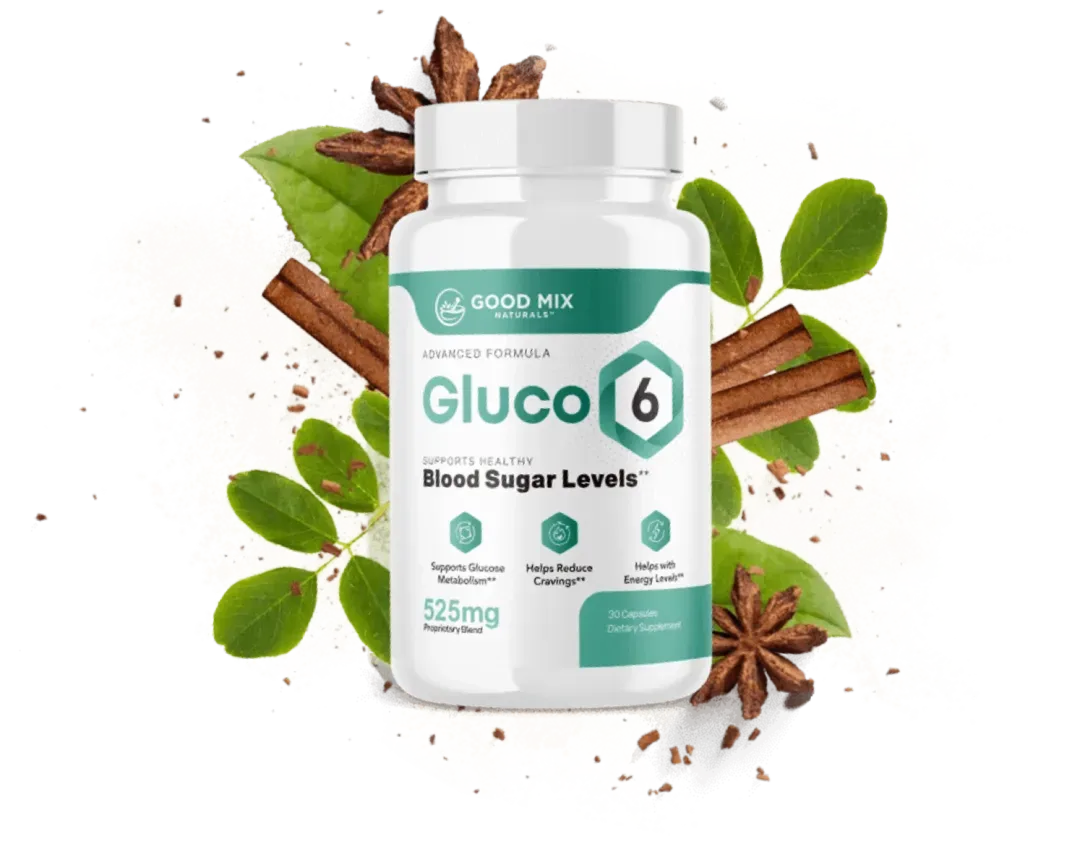
Review the current Gluco6 offer after checking the evidence
Confirm the current formula, label details and merchant terms before making a purchase decision.



What does the evidence say about green tea extract and weight loss?
Green tea extract has been studied extensively for weight management, but the average body-weight effects reported in reviews are generally small and heterogeneous. A statistically detectable difference is not the same as a large or guaranteed real-world outcome.
The 2023 network meta-analysis supplied for this project found a small weight effect for green tea but rated the certainty of evidence low. Earlier reviews have also reported modest or inconsistent changes in body weight and body composition. Differences in catechin content, caffeine exposure, dose, duration and participant characteristics contribute to that variation.
This evidence supports cautious wording such as “green tea extract has been studied for weight-related outcomes.” It does not support claims that an extract reliably causes substantial fat loss or that every product containing green tea will reproduce a study result.
Fat oxidation is not the same as long-term fat loss
Green tea and caffeine can influence energy expenditure or fat oxidation in short-term studies, but an acute metabolic change does not automatically produce a meaningful long-term reduction in body fat.
The Jeukendrup and Randell review used the term “fat burners” to describe supplements proposed to increase fat metabolism, including ingredients that affect energy expenditure and fat oxidation. That mechanism framework is useful, but it should not be turned into a shortcut from “more fat oxidation” to “clinically meaningful weight loss.” Energy intake, adaptation, activity, duration and individual response still matter.
A high-quality page should therefore separate three endpoints: thermogenesis, fat oxidation and body-weight/body-fat change. A product can influence one without demonstrating another.
How should green tea studies be compared?
Green tea studies differ in catechin amount, EGCG content, caffeine dose, preparation and study population. Those differences limit direct transfer from one trial to another commercial extract.
Some studies use decaffeinated extracts, others combine catechins with caffeine, and some use beverages rather than capsules. A user who is sensitive to caffeine may therefore have a very different exposure than a participant in a particular trial. Likewise, a product that does not disclose catechin or caffeine content cannot be assumed to match a studied preparation.
Duration matters as well. Short-term metabolic measurements are useful for mechanism research but should not be presented as proof of sustained body-weight change.
Compare the research, then review the current Gluco6 offer
Confirm the current formula, label details and merchant terms before making a purchase decision.
What are the main safety issues with concentrated green tea extract?
Concentrated green tea extracts have a different safety profile from ordinary green tea beverages. NCCIH reports gastrointestinal effects and uncommon liver injury primarily in association with concentrated extracts.
Reported effects can include nausea, constipation, abdominal discomfort and increased blood pressure. Rare liver injury is particularly important because users may assume a plant-derived extract is harmless. The risk appears to be associated more with concentrated supplement forms than ordinary beverage consumption, which is why the page should keep those exposures separate.
People with liver disease or symptoms such as jaundice, dark urine or persistent abdominal pain should not continue self-treating with a concentrated extract and should seek medical evaluation.
Which drug interactions matter?
NCCIH reports clinically relevant interactions involving green tea or green tea extract, including reduced nadolol exposure and reduced atorvastatin levels, and it also cites an interaction with raloxifene.
These interactions demonstrate why supplement pages should not treat green tea extract as pharmacologically inert. The exact relevance can depend on dose, timing and preparation, so medication-specific advice belongs with a clinician or pharmacist. People taking multiple medicines should disclose concentrated green tea supplement use during medication review.
Caffeine adds a separate layer. Depending on the extract, users may experience stimulant-related effects such as jitteriness, sleep disruption or changes in blood pressure. A product that does not disclose caffeine content leaves more uncertainty for caffeine-sensitive users.
How does green tea extract evidence relate to Gluco6?
The Gluco6 merchant material identifies green tea as part of the formula and markets it for metabolism and fat burning, but the source material reviewed for this build does not establish the exact green tea extract specification, catechin content or caffeine amount.
Without those details, a direct claim that Gluco6 delivers the same exposure as a green tea trial would be unsupported. The proper use of the evidence is to explain what green tea research suggests in general, what its limitations are, and which product details would be needed to judge applicability.
This distinction is particularly important because Gluco6 is a multi-ingredient product. Any product-level outcome would reflect the complete formula and user context, not green tea alone.
Practical checklist before choosing a green tea extract supplement
Verify extract concentration, catechin/EGCG information, caffeine exposure, medication context and liver-safety information before choosing a concentrated green tea supplement.
Labels that disclose standardized catechin content and caffeine provide more information for comparing a product with research. People with liver disease, medication interactions or stimulant sensitivity should be especially cautious. Pregnancy and breastfeeding also require attention to caffeine exposure and supplement-specific safety guidance.
For weight-management expectations, prioritize realistic evidence. A small average effect in a systematic review should not be converted into a promise of rapid or large weight loss.
Why do green tea weight-loss studies vary so much?
Green tea weight-management studies vary because commercial and research preparations differ in catechin concentration, EGCG content, caffeine exposure, dose, duration and the characteristics of participants.
Caffeine is a major confounder. Some trials evaluate catechin-caffeine combinations, while others use lower-caffeine or decaffeinated preparations. If a commercial product does not disclose caffeine content, it is difficult to know which evidence is most relevant. This also changes safety interpretation for users with stimulant sensitivity, sleep problems or cardiovascular concerns.
Body-weight studies also differ from acute metabolism studies. A laboratory finding that fat oxidation increases for several hours is mechanistically interesting, but it does not establish sustained fat loss. Long-term body weight is influenced by food intake, energy expenditure, behavioral adaptation and adherence. A responsible page should therefore keep short-term mechanism findings and longer-term outcome trials in separate evidence categories.
For Gluco6, the current merchant material identifies green tea but does not provide the detailed extract standardization needed to match it confidently to a specific catechin or EGCG trial. That limits how strongly the research can be applied to the finished product. The correct commercial bridge is to explain that green tea is part of the formula, summarize what independent research says about the ingredient category, and leave product-level efficacy to direct product evidence.
Product quality also affects relevance. Green tea extracts can differ in catechin concentration, caffeine content, contaminants and manufacturing consistency. A buyer should prefer labels that disclose these characteristics rather than relying on a generic “green tea” listing. In multi-ingredient formulas, the same caution applies to attribution: even if a user experiences a change while taking Gluco6, that experience cannot establish that green tea caused it. Controlled finished-product research would be needed to make that connection with confidence.
Continue through the evidence and product decision path
Finished the ingredient research? Check the current Gluco6 offer
Confirm the current formula, label details and merchant terms before making a purchase decision.
Research sources and evidence notes
- PubMed: Comparative effects of nutraceuticals on body weight
- PubMed: Fat burners review
- NCCIH: Green Tea
- NIH ODS: Weight Loss Supplements