Fat Burner Supplements: Mechanisms, Evidence, Safety & What “Fat Burning” Really Means
“Fat burner” is a marketing category, not one mechanism. Research distinguishes thermogenesis, fat oxidation, fat absorption, appetite and longer-term metabolic adaptation.
- Use the Jeukendrup-Randell framework to separate mechanisms
- Do not equate acute fat oxidation with meaningful long-term fat loss
- Compare stimulant exposure and safety alongside efficacy
- Treat multi-ingredient product claims as separate from ingredient research
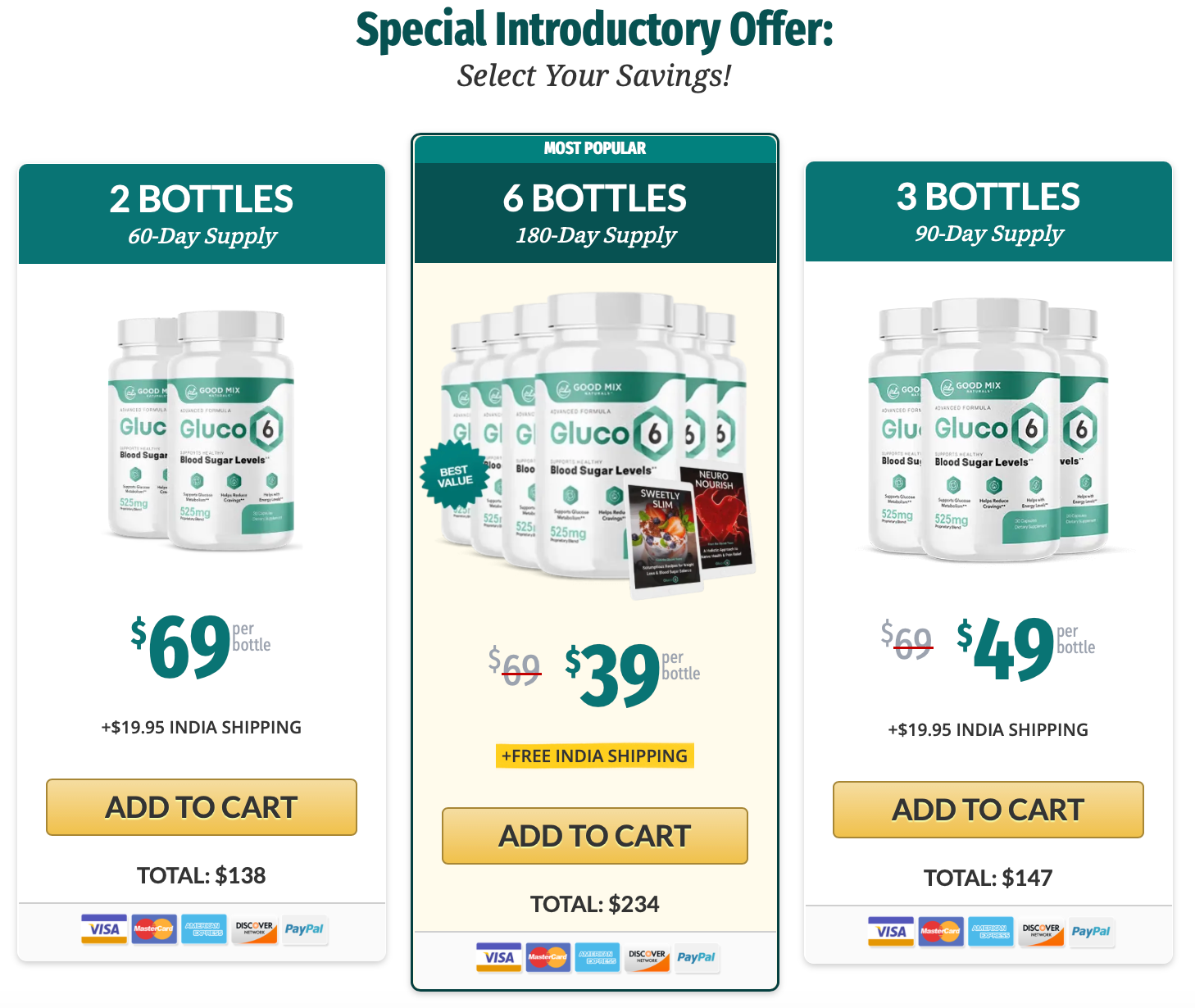
See the current Gluco6 offer before reading the deeper research
Commercial terms can change. Check the current merchant page for package, shipping, bonus and refund details.



What researchers mean by “fat burner”
The 2011 Jeukendrup and Randell review defines “fat burner” broadly as supplements claimed to increase fat metabolism or energy expenditure, impair fat absorption, increase weight loss, increase fat oxidation during exercise, or promote longer-term adaptations in fat metabolism.
That definition is useful because it prevents one common mistake: assuming every product works through the same pathway. Increasing energy expenditure is not the same as increasing fat oxidation during a workout, and neither automatically guarantees meaningful long-term weight loss.
A good fat-burner page therefore maps each ingredient to the mechanism actually studied and then asks whether human outcomes support the marketing claim.
Thermogenesis and energy expenditure
Caffeine is one of the better-characterized ingredients for acute thermogenic effects, but the magnitude and durability of those effects are limited by dose, tolerance and individual response.
NIH notes that caffeine can increase thermogenesis in a dose-dependent fashion, while habitual use leads to tolerance. Green tea catechins combined with caffeine have also been studied for energy expenditure and fat oxidation. These mechanisms can be measurable without producing large changes in body weight.
Commercial products may combine multiple stimulants, making safety and total stimulant load important parts of the comparison.
Fat oxidation is not the same as fat loss
An ingredient can increase fat oxidation over a short window without producing a meaningful change in body fat over weeks or months.
Acute substrate use depends on exercise, diet, glycogen status, caffeine exposure and other variables. Long-term body-weight change depends on sustained energy balance and adherence. This is why mechanism-only marketing can be misleading even when a biochemical effect is real.
For search users asking “does this burn fat,” the accurate answer should specify whether the evidence concerns acute oxidation, resting energy expenditure, body weight, waist circumference or another endpoint.
Compare the research with the current Gluco6 formula
Use the product-specific review to see which ingredients are actually in the current formula and how the evidence boundaries apply.
What the broader weight-loss evidence shows
The 2023 network meta-analysis found small average weight changes for several nutraceuticals, but evidence certainty differed.
Green tea showed a small average reduction with low-certainty evidence. Other nutraceuticals ranked differently, showing that the category cannot be reduced to one “fat-burning” ingredient. The 2022 review likewise emphasizes multiple mechanisms and the need to consider safety, metabolic markers and clinical context.
A responsible comparison therefore uses effect size and certainty together rather than highlighting the most dramatic number.
Safety issues vary by ingredient and formula
Fat-burner products deserve careful safety review because stimulant content, concentrated botanical extracts and multi-ingredient combinations can change risk.
Potential concerns include insomnia, jitteriness, heart-rate or blood-pressure effects, gastrointestinal symptoms, medication interactions and, for some concentrated extracts, liver-related adverse events. Users may also unknowingly combine caffeine from several sources.
People with cardiovascular conditions, pregnancy, medication use or other health concerns should not rely on generalized “natural fat burner” marketing to assess safety.
Where Gluco6 fits and where it does not
Gluco6 includes green tea and is marketed with metabolism and body-composition themes, so some users will encounter it during fat-burner searches.
Its appropriate editorial treatment is narrower: green-tea evidence can inform one ingredient discussion, but Gluco6 should not be labeled a proven fat burner unless finished-product evidence supports that claim. The Gluco6 review and clinical-evidence pages provide the product-specific analysis.
How to compare fat burner supplements
Use a mechanism-first checklist rather than a hype-first checklist.
Identify whether the formula is primarily thermogenic, stimulant-free, satiety-oriented or another type; calculate total stimulant exposure where possible; review human evidence for the actual endpoint; check extract standardization and dose; examine safety and interactions; and reject claims of effortless or guaranteed fat loss. Transparent products make these questions easier to answer.
Why mechanism language can make fat-burner claims sound stronger than they are
Terms such as thermogenesis, lipolysis, beta-oxidation and energy expenditure sound precise, but they describe different stages of metabolism. A measurable change in one process does not automatically imply a meaningful change in body fat. The body can compensate through appetite, movement, energy intake and metabolic adaptation.
For that reason, evidence should be organized by endpoint. Acute studies can answer whether an ingredient changes energy expenditure or substrate oxidation over hours. Longer randomized trials are needed to judge effects on body weight, waist circumference or body composition. Safety studies answer a separate question again. A responsible fat-burner guide keeps these evidence types separate so the user can see exactly what the science supports.
This also helps compare stimulant-heavy products with stimulant-free products. A formula can have a stronger acute thermogenic signal but a less attractive tolerability profile. Another formula can be easier to tolerate yet have weaker evidence for energy expenditure. There is no single metric that makes one product universally better.
A decision framework for comparing fat-burner products
A useful fat-burner comparison should identify the dominant mechanism, the evidence endpoint and the main safety trade-off for each product. This is more informative than ranking formulas by stimulant strength or the number of ingredients.
For a caffeine-heavy product, the key questions are acute energy expenditure, tolerance and stimulant safety. For a green-tea product, catechin standardization and extract safety matter. For a fiber or absorption-oriented product, gastrointestinal tolerance and medication timing may be more relevant. For a multi-ingredient blend, product-level evidence becomes increasingly important because the finished formula may differ from the ingredients studied individually.
This framework also improves conversion quality. Users who reach a commercial offer after understanding the mechanism and evidence are making a more informed choice, which is preferable to pushing every visitor toward the same CTA regardless of fit.
How to use this research without over-reading it
Research is most useful when it narrows uncertainty rather than pretending to remove it.
For supplement decisions, the strongest workflow is to identify the exact user goal, find the human evidence that measures that same outcome, check whether the studied ingredient and dose resemble the commercial formula, then review safety and current merchant information. This sequence avoids a common error in affiliate content: starting with a product claim and searching backward for any study that sounds related.
Evidence also changes over time. New trials, reformulations, updated safety information and revised merchant terms can alter the practical conclusion even when the page URL remains the same. That is why this guide treats research evidence as periodically reviewable and commercial facts as faster-changing. Before purchase, users should verify the current label and checkout terms rather than relying on an old screenshot or third-party summary.
Finally, the absence of strong evidence is not proof that an ingredient has no effect, just as the presence of one positive study is not proof that a finished product works. The most defensible conclusion is the one that matches the quality, population, dose, duration and endpoint of the available evidence.
Continue through the evidence and product decision path
Finished the research? Review the current Gluco6 offer
Confirm the current formula and merchant terms before making a purchase decision.
Research sources and evidence notes
- Shahinfar H, et al. Comparative effects of nutraceuticals on body weight in adults with overweight or obesity: systematic review and network meta-analysis of 111 randomized clinical trials. Pharmacological Research. 2023.
- Mah E, Chen O, Liska DJ, Blumberg JB. Dietary Supplements for Weight Management: A Narrative Review of Safety and Metabolic Health Benefits. Nutrients. 2022.
- Jeukendrup AE, Randell R. Fat burners: nutrition supplements that increase fat metabolism. Obesity Reviews. 2011.
- NIH Office of Dietary Supplements. Dietary Supplements for Weight Loss: Health Professional Fact Sheet.
- NCCIH. Diabetes and Dietary Supplements: What You Need To Know.