Nutraceuticals for Weight Management: Evidence From 111 Randomized Trials
A network meta-analysis of 111 randomized trials provides a useful comparative map of 18 nutraceuticals, but the average effects are generally small and certainty varies by ingredient.
- 111 RCTs and 6,171 participants provide comparative context
- Evidence certainty differs across spirulina, curcumin, psyllium and others
- Green tea and glucomannan showed small effects with low certainty
- Product marketing should not exceed the evidence for the ingredient and formulation
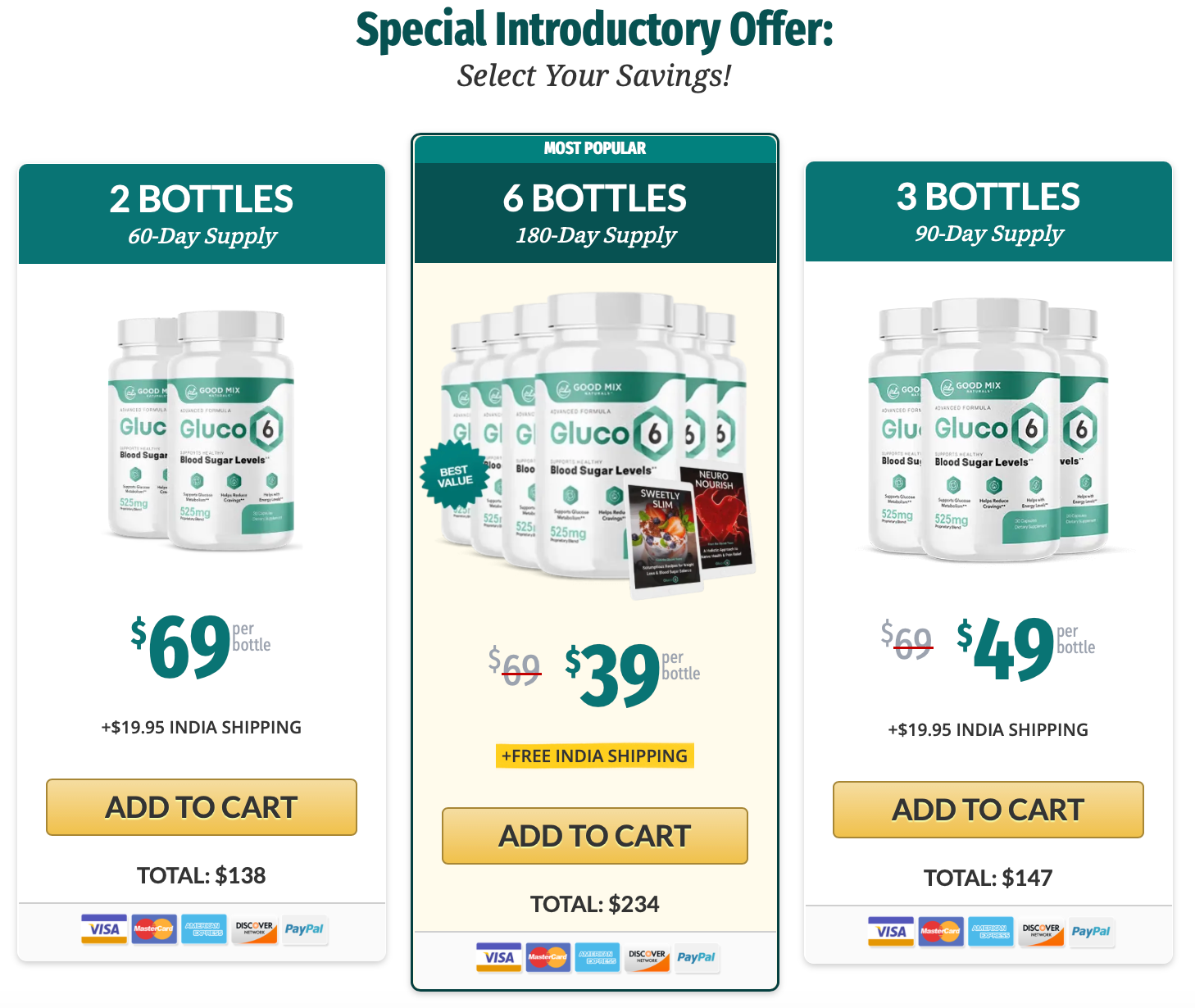
See the current Gluco6 offer before reading the deeper research
Commercial terms can change. Check the current merchant page for package, shipping, bonus and refund details.




What the network meta-analysis adds
The 2023 study by Shahinfar and colleagues synthesized 111 randomized clinical trials involving 6,171 adults with overweight or obesity and compared 18 nutraceuticals for body-weight outcomes.
Its main value is comparative. Rather than reviewing one ingredient in isolation, the network approach estimates relative effects across a broader evidence map. The authors found high-certainty evidence for a small average reduction with spirulina and moderate-certainty evidence for small reductions with curcumin, psyllium, chitosan and Nigella sativa. Green tea and glucomannan also showed small reductions, but certainty was rated low.
The study supports the conclusion that some nutraceuticals can produce small average changes in weight, not that supplements are uniformly effective or that commercial products will reproduce trial results.
Effect size and certainty should be read together
A larger estimated effect with uncertain evidence is not automatically more convincing than a smaller effect with higher certainty.
Network meta-analysis results depend on study quality, comparability and the structure of the evidence network. Small trials, short durations, heterogeneous doses and differences in baseline characteristics can all reduce confidence.
For practical decision-making, an evidence table should show effect estimate, certainty, study population, duration and safety rather than rank ingredients from one number alone.
Why nutraceutical evidence does not automatically transfer to products
Commercial supplements often use extracts, combinations and doses that differ from the interventions tested in trials.
An ingredient may have trial evidence at a standardized dose while a finished product provides a lower amount or a different form. Multi-ingredient products also introduce interactions and attribution problems: if the product changes an outcome, it may be unclear which component contributed. If the finished product has not been tested, the safest statement is that the ingredient evidence provides context, not proof.
Compare the research with the current Gluco6 formula
Use the product-specific review to see which ingredients are actually in the current formula and how the evidence boundaries apply.
How the 2022 safety review complements the network analysis
The 2022 review adds a safety and metabolic-health perspective for six representative weight-management ingredients.
It discusses caffeine, green tea extract, green coffee bean extract, choline, glucomannan and capsaicinoids/capsinoids, covering both weight-related and metabolic markers. This matters because a supplement can have a modest efficacy signal but an unfavorable side-effect or interaction profile for a specific user.
Combining effect estimates with safety evidence creates a more useful decision framework than efficacy alone.
Green tea as an example of evidence nuance
Green tea is a useful example because it appears frequently in weight-management products and in the Gluco6 formula.
The 2023 network meta-analysis estimated a small average weight reduction but rated certainty low. NIH also describes possible modest effects while noting that concentrated extracts can raise safety concerns. These findings justify cautious ingredient-level discussion, not a claim that every green-tea-containing product is an effective weight-loss intervention.
How to use nutraceutical research when comparing products
Use research to ask better questions rather than to decorate sales copy.
Check whether the product uses the same ingredient form and a comparable dose; determine whether the relevant endpoint matches the user’s goal; review the certainty and duration of evidence; consider safety and interactions; and look for finished-product trials if strong product-level claims are made. This method makes scientific research useful without overstating what it proves.
What a network meta-analysis can and cannot rank
Network meta-analysis can combine direct and indirect comparisons across many interventions, which is valuable when head-to-head trials are scarce. It can estimate how nutraceuticals compare across a shared evidence network, but the ranking is only as reliable as the included studies and the assumptions connecting them.
Differences in dose, duration, baseline BMI, diet, adherence and study quality can weaken comparability. Rankings can also make small numerical differences appear more decisive than they are. That is why the 2023 analysis is best read as a map of relative evidence rather than a shopping leaderboard. The certainty rating, confidence interval and clinical magnitude should remain visible beside any estimated effect.
For product-level application, another step is required: determine whether the commercial formula contains the studied ingredient in a comparable form and amount. A multi-ingredient product may be relevant to the evidence but still lack direct confirmation as a finished product.
How to turn comparative research into a useful buyer tool
The best use of a network meta-analysis is not to copy its ranking into a shopping list. It is to build a structured evidence table that shows effect estimate, certainty, intervention form, population and study duration, then compare that research with real product labels.
This approach reveals where commercial products diverge from the research. A product may contain an ingredient with favorable evidence but at an undisclosed amount, in a different extract, or as one small component of a large blend. Another product may use a well-studied ingredient but make claims far stronger than the measured effect. The evidence table should therefore include a column for product-level applicability rather than assuming transfer.
A separate safety column is also necessary because the most favorable efficacy estimate may not produce the best overall fit for every user. Evidence quality, tolerability, interactions and the user’s goal all belong in the same decision framework.
How to use this research without over-reading it
Research is most useful when it narrows uncertainty rather than pretending to remove it.
For supplement decisions, the strongest workflow is to identify the exact user goal, find the human evidence that measures that same outcome, check whether the studied ingredient and dose resemble the commercial formula, then review safety and current merchant information. This sequence avoids a common error in affiliate content: starting with a product claim and searching backward for any study that sounds related.
Evidence also changes over time. New trials, reformulations, updated safety information and revised merchant terms can alter the practical conclusion even when the page URL remains the same. That is why this guide treats research evidence as periodically reviewable and commercial facts as faster-changing. Before purchase, users should verify the current label and checkout terms rather than relying on an old screenshot or third-party summary.
Finally, the absence of strong evidence is not proof that an ingredient has no effect, just as the presence of one positive study is not proof that a finished product works. The most defensible conclusion is the one that matches the quality, population, dose, duration and endpoint of the available evidence.
Continue through the evidence and product decision path
Finished the research? Review the current Gluco6 offer
Confirm the current formula and merchant terms before making a purchase decision.
Research sources and evidence notes
- Shahinfar H, et al. Comparative effects of nutraceuticals on body weight in adults with overweight or obesity: systematic review and network meta-analysis of 111 randomized clinical trials. Pharmacological Research. 2023.
- Mah E, Chen O, Liska DJ, Blumberg JB. Dietary Supplements for Weight Management: A Narrative Review of Safety and Metabolic Health Benefits. Nutrients. 2022.
- Jeukendrup AE, Randell R. Fat burners: nutrition supplements that increase fat metabolism. Obesity Reviews. 2011.
- NIH Office of Dietary Supplements. Dietary Supplements for Weight Loss: Health Professional Fact Sheet.
- NCCIH. Diabetes and Dietary Supplements: What You Need To Know.